
Travel Story

An 11-Day Switzerland Itinerary: Practical Lessons, Trade-Offs, and Planning Tips

Table of Contents

Switzerland is one of the most beautiful countries in the world, offering a perfect combination of picturesque villages, majestic mountains, and pristine lakes. In our 11-day summer trip, we focused on small scenic towns, maximizing nature, and using the Swiss train system for convenience.

If you are planning a Switzerland trip and want help designing a route that fits your priorities, I offer itinerary reviews and planning consultations to help you maximize scenic experiences, optimize travel logistics, and avoid common pitfalls.


Research and Strategic Planning

Careful research is the foundation of any successful Switzerland trip. Here’s what we focused on:

  • Base towns: Lucerne, Interlaken, Zermatt, and Montreux, chosen for lakes, mountains, and iconic landscapes.
  • Weather forecasts: especially for Matterhorn visibility.
  • Advance bookings: high-demand activities like the Mt. Pilatus cogwheel train.
  • Swiss Travel Pass: convenient for trains, buses, boats, and some mountain excursions.

We also built in buffer days and maintained flexibility to adjust plans based on weather and mountain conditions.


Transit Cities: Zurich and Geneva

Zurich and Geneva served as excellent transit hubs:

  • Luggage storage at train stations allowed for hassle-free day trips without carrying bags.
  • Zurich’s Lindt Chocolate Tour is very popular in summer—advance booking is strongly recommended. We arrived without a reservation but got a late afternoon slot and adjusted our train schedule to Lucerne with ease thanks to the Swiss Travel Pass.
  • Frequent train connections make same-day visits convenient and stress-free.

Focus on Small Scenic Towns

The real charm of Switzerland lies in its **villages and natural landscapes**, not just its cities. Staying multiple nights in each base town allowed us to:

  • Explore at a relaxed pace without constantly moving hotels.
  • Immerse ourselves in lakes, mountains, and trails.
  • Adjust plans daily based on weather or energy levels.

Lucerne: Mt. Pilatus and Mt. Rigi

Lucerne offers two iconic mountain experiences:

  • Mt. Pilatus: The cogwheel train is highly recommended in summer. Tickets are not fully covered by the Swiss Pass, so advance booking is advised.
  • Mt. Rigi: Known as the “Queen of the Mountains,” it offers gentle hikes, panoramic views, and a relaxed pace. Tickets are fully covered by the Swiss Pass, and no booking is needed. Rigi is perfect for light trekking or as a complementary mountain experience.

Zermatt: Matterhorn & Gornergrat

We timed our Zermatt visit based on the best weather forecast for the Matterhorn. However, even when the peak was partially hidden, hiking around Gornergrat was stunning.

  • Extra time at Gornergrat would have allowed us to enjoy a short hike before taking the late train to Montreux.
  • This experience highlighted the importance of flexibility—sometimes the journey and views along the trail are just as rewarding as the iconic sights themselves.

Transportation Strategy

Switzerland’s train system is central to the experience. Here’s what worked for us:

Swiss Travel Pass

  • Covers most trains, buses, boats, and some mountain cogwheel or gondola rides.
  • Reduces the need to buy individual tickets for every journey.
  • Integrates with the SBB app to check schedules in real time.

Panoramic Trains

  • Included in the Swiss Pass but require a small seat surcharge.
  • Views are slightly better than regular trains, but not dramatically different.

Key Connections

  • Zurich → Lucerne
  • Lucerne → Interlaken
  • Interlaken → Zermatt
  • Zermatt → Montreux
  • Montreux → Geneva

Tip: Always check timetables for mountain trains, gondolas, and seasonal routes.


Accommodation Strategy

For family trips, we preferred Airbnb:

  • Spacious living areas and multiple bedrooms.
  • Kitchen and laundry for convenience and cost savings.
  • Less stressful than frequent hotel changes.

Hostel in Interlaken

  • Private room and bathroom.
  • Shared kitchen for cooking.
  • Paid laundry and free locker.
  • View of Jungfraujoch directly from the room—an unforgettable sight!

Tip: prioritize function, convenience, and scenic views over luxury or cost for maximum enjoyment.


Food and Cost Reality

  • Grocery shopping and cooking at your Airbnb saves money and allows flexible meal times.
  • Dining out: average dish ≈ 30 CHF; pitcher of tap water ≈ 10 CHF.
  • Mix self-catering with restaurant meals for a balance of convenience and culinary experiences.

Lessons Learned

  • Check dates: Geneva’s UN headquarters was closed on Sunday.
  • Allow more time at Gornergrat to enjoy hiking and views.
  • Restaurant pricing is high; cooking at Airbnb helps manage budget.
  • Pilatus requires advance booking; panoramic trains are optional.

Key takeaway: Build flexibility and buffer time into your itinerary.


Practical Takeaways

  • Limit base towns to 1–2 per region; stay multiple nights to reduce stress.
  • Build flexibility for weather-dependent plans and hiking opportunities.
  • Swiss Travel Pass covers most transport; check mountain schedules.
  • Panoramic trains optional; Rigi included in Swiss Pass, Pilatus requires extra booking.
  • Mix cooking at Airbnb with restaurant meals; budget for extras.
  • Check opening hours and closures; plan but remain flexible.
  • Prioritize function, convenience, and experience over luxury or cost.

Final Thoughts and Reflections

  • Switzerland rewards thoughtful planning, patience, and flexibility.
  • Nature is the essence: lakes, mountains, and small villages define the experience.
  • Function over luxury: accommodations and transport designed for convenience improve enjoyment.
  • Small planning details matter: dates, reservations, and budget considerations significantly impact the trip.

If you are planning a Switzerland trip and want help designing a route that fits your priorities, I offer itinerary reviews and planning consultations to ensure a stress-free and unforgettable experience.

Switzerland is magical, and with the right preparation, your journey can be as seamless and breathtaking as it deserves to be.


Medical Interpretation

Pain Is Just the Tip of the Iceberg: Understanding Hormone-Related Steroid Concerns Among Chinese Patients

疼痛只是冰山一角:理解中国患者对激素类药物的顾虑

In medical interpretation, one of the most delicate challenges is bridging language and cultural perception of medication and treatment.

Many patients with knee, neck, or shoulder pain may hesitate when offered steroid injections. In Chinese culture, steroids are often associated with hormones, and patients often worry about disrupting the body’s internal balance—even when pain is significant.

This hesitation is not defiance; it reflects a cultural mindset where long-term internal health is prioritized over short-term relief. Understanding this perspective is essential for interpreters, patients, and healthcare providers alike.
The Clinical Perspective: Why Steroid Injections Are Recommended

Steroid injections are widely used in U.S. clinical practice to:

  • Reduce inflammation in joints or nerves, often the underlying cause of pain
  • Improve mobility and daily function
  • Provide short-term relief while the body heals or other treatments take effect

Doctors often explain that pain is only the tip of the iceberg—treating inflammation early can prevent worsening or chronic damage.

However, many Chinese patients hear “steroid (类固醇 / 激素)” and immediately think hormone medicine. They worry it will disrupt the body’s internal system (影响体内系统) or harm organs. Even when the doctor explains local use with minimal systemic effects, this association often causes hesitation.

The Patient Perspective: Understanding the Concerns

Chinese patients often prioritize long-term internal health over immediate symptom relief:

  • They are cautious about anything perceived as hormone-related (激素 / 类固醇)
  • They worry about disturbing the body’s internal balance
  • Pain is often tolerated until it becomes severe

Recognizing this mindset helps patients feel understood and respected, which supports shared decision-making and adherence to treatment plans.

The Role of Interpreters

Medical interpreters play a key role in bridging not only language, but also cultural nuances. By helping patients express concerns clearly and assisting clinicians in understanding cultural priorities, interpreters:

  • Ensure communication is effective and respectful
  • Reduce misunderstandings related to treatment decisions
  • Support culturally sensitive care that benefits patients and providers alike

Tips for Better Communication

For Chinese Patients:

  • Express concerns explicitly: “我担心类固醇是激素,会影响体内系统” (I am concerned steroids, as hormones, may affect my internal system).
  • Ask for details about dosage, local vs. systemic effect, frequency, and reversibility.
  • Understand that local steroid injections are not the same as long-term hormone therapy.

For U.S. Clinicians:

  • Acknowledge patient concerns before explaining efficacy: “I understand your concern about hormone effects on your body.”
  • Emphasize local vs. systemic use and explain minimal hormone impact.
  • Offer clear monitoring guidelines to reassure patients.

Consulting Insight

Understanding cultural mindsets is key to improving patient engagement and treatment outcomes. Healthcare organizations can benefit from training staff and integrating professional interpreters who navigate both language and cultural nuances. This not only supports patients but also enhances clinician effectiveness and overall care quality.

Conclusion

Medical interpretation is more than translating words—it’s translating cultural mindset and reasoning. Chinese patients’ hesitation toward steroids is often rooted in the association with hormones, not defiance. By understanding this perspective, interpreters, clinicians, and patients can work together to make informed, culturally sensitive treatment decisions.

Disrupt Yourself

🌗 The Midlife Crossroads: Disrupt or Slow Down?

English · 中文双语

Somewhere in our fifties, life changes its pace. Our energy asks to be treated with care. The mind is still bright and curious, but the heart wants peace and time with people we love.

So a quiet question shows up: Do I keep reinventing and moving forward, or slow down and savor what’s here?

Respecting energy. In younger years, we powered through. Now, wisdom says: go steady. Slowing down isn’t losing ambition—it’s choosing how we want to feel while we grow.

Redefining success. Titles and speed once mattered. These days, success looks softer: a clear morning walk, good sleep, a body that thanks us, work that feels aligned. Fewer doors, better doors.

Gentle disruption. Curiosity remains. We still learn, build, and create—just with kinder rhythms. Less rush, more depth. We protect our peace while we make meaningful things.

The middle path. Maybe it isn’t either/or. We can keep moving without racing. We can rest without quitting. Health, joy, and calm aren’t distractions from success—they’re the foundation of it.

A gentle reminder: If you’re standing at a midlife crossroads, don’t hurry your answer. Pause, breathe, and ask: What makes me feel alive now? That whisper is a good compass.


🌗 中年十字路口:继续折腾,还是慢下来?

大概在五十岁左右,生活的节奏开始悄悄变化。精力需要被温柔对待。头脑依然清醒好奇,心却更渴望安稳、健康和与所爱之人相处的时间。

于是,一个安静的问题出现了:我要继续“折腾”和向前,还是慢下来,好好享受当下?

学会尊重能量。 年轻时靠“硬撑”。到中年,智慧提醒我们:稳稳走。慢下来不是没野心,而是选择一种更可持续的成长方式。

重新定义成功。 过去在意的是速度和头衔。如今的成功更柔软:清晨的一段散步、踏实的睡眠、身体的健康、与当下的自己更契合的工作。开更少的门,但都是适合自己的门。

温柔的“破局”。 依然保持好奇。我们仍然会继续学习、创造、搭建——只是选择更善待自己的节奏。少些匆忙,多些深度;守住内心的安宁,做有意义的事情。

选择平衡。 也许答案从来不是二选一。我们可以继续前进,但不必飞奔;可以慢下来,但不是放弃。健康、喜悦与宁静不是成功的对立面,它们正是成功的基石。

给自己的温柔提醒: 站在中年的十字路口,不必急着选。先停一停,深呼吸,问自己:此刻,什么能让我真正有生命力? 那份内心的低语,就是最好的答案。


Call to Action · 行动小建议
If this speaks to you, journal one page tonight: “What gives me energy now?” Then pick one tiny step for this week. 如果这些话触动了你,今晚写一页小记:“现在,什么让我更有能量?” 然后,为本周选一个很小、但能做到的行动。

Continue reading “🌗 The Midlife Crossroads: Disrupt or Slow Down?”
Medical Interpretation

Through a Half-Opened Door

Reflections from an Interpreter at Mayo Clinic on Science, Collaboration, and the Future of Medicine

Last week, my interpretation work at Mayo Clinic offered me a look through the “half-opened door” to the future of medicine. As an interpreter, I often witness the moments where science, collaboration, and human hope intersect — and this visit was no exception.

Each visit reminds me how much happens behind the scenes — not only patient care, but relentless, forward-driven collaboration that’s transforming the future of medicine.

I was deeply impressed by the research underway: the blood biomarker P-Tau217, which allows earlier, more affordable Alzheimer’s detection; StateView, a tool that can identify 9 different types of dementias; and the use of AI to help detect pancreatic cancer earlier by enhancing human visual capability.

As an interpreter, I often stand at the crossroads of languages, but also between people and discoveries. Watching and listening to physicians and scientists explain their findings, I could feel their hope — not just in their words, but in their tone and energy.

I wasn’t part of the research team, of course. I was there interpreting — sitting quietly in the room, listening, translating. But even from that small corner, I could feel the pulse of innovation and humanity woven together. I could sense the researchers’ excitement as they described their work, the determination in their tone, the hope behind their words.

Being an interpreter in these moments feels like standing on a bridge between science and compassion. My job is to make sure nothing is lost — not just the meaning of words, but the intention behind them. When that connection happens, even briefly, it’s incredibly rewarding.

Dr. William Mayo once said in 1931, “I look through a half-opened door into the future, full of interest, intriguing beyond my power to describe.”

Standing there last week, I couldn’t help but wonder — what would he think if he could see that future today?

What breakthroughs in your field inspire you to look through your own “half-opened door” to the future?

Medical Interpretation

The Critical Role of Interpreters in Special Education Meetings

“Every parent deserves to understand and advocate for their child—interpreters make that possible.”

I recently attended a PACER Center workshop on The Critical Role of Interpreters in Special Education Meetings. It reinforced that interpreters are more than translators—they are cultural liaisons, advocates, and facilitators who ensure parents of students with disabilities can fully participate in their child’s education.

Why Interpreters Are Essential in Special Education

Families navigating special education meetings often face:

  • Complex terminology and educational jargon
  • Unfamiliar IEP processes and procedures
  • Language and cultural barriers

Interpreters ensure parents can:

  • Understand their child’s educational plan
  • Ask questions and advocate effectively
  • Participate confidently in IEP meetings

Elements of Ethical and Effective Interpreting

Core principles include:

  • Confidentiality and professionalism
  • Accuracy: conveying meaning, not just words
  • Impartiality while supporting understanding
  • Cultural awareness and respect

Practical strategies for interpreters:

  • Position yourself to see and hear all participants clearly
  • Establish pause signals to interpret accurately
  • Take notes and securely destroy them afterward 📝
  • Clarify unfamiliar terminology with staff or parents
  • Focus on meaning over literal words

“Interpretation is the accuracy of the meaning, not the words.” – Minnesota Department of Education

Common Challenges Interpreters Face

Interpreters often encounter:

  • Specialized terms with no direct translation
  • Parents unfamiliar with IEPs or legal rights
  • Remote meetings via Zoom or phone
  • Limited understanding among school staff about working with interpreters
  • Balancing neutrality while supporting families

Resources for Interpreters and Schools

Professional development and resources include:

  • PACER and MDE video trainings: “Effective Communication with English Learner Parents”
  • Glossaries: Spanish, Somali, Hmong special education terms
  • Checklists: Best practices for interpreters and school staff
  • Professional organizations: AAITE, NAETISL

Continuing education helps interpreters stay current with terminology, processes, and best practices.

Reflection

Workshops like this remind us that interpreters play a critical role in creating inclusive and accessible education. By bridging language and cultural gaps, interpreters empower families, support educators, and ensure that all students receive the support they need.

🙏 Thanks to PACER Center for hosting this insightful and practical training!

💬 Interpreters and educators: What strategies or resources help you support families in special education meetings? Share your experiences below!

SEO Keywords: special education interpreters, inclusive education, IEP meetings, language access, parent advocacy, PACER Center, educational interpreting

Disrupt Yourself

Disrupt Yourself: Reflections on Growth and Career

“Disrupt yourself.”

I heard this phrase today, and it made me pause. It made me reflect on my career journey. True growth doesn’t come from staying comfortable—it comes from challenging yourself, taking risks, and stepping into the unknown.

Choosing Courage Over Comfort

Too often, we take the easier path—comfortable, predictable, safe. But the moments that truly shape us are the ones that push us beyond our comfort zones.

Moving to the U.S. from China. I left behind an established career and started fresh as a marketing agent for flight schools. I had to learn a new marketing skill, adapt to a different business culture, and build credibility from scratch.

It was intimidating. It was uncomfortable. It was transformative.

Another pivotal moment came when I transitioned into medical interpretation after years in the airline industry. Mastering specialized vocabulary, navigating healthcare systems, and adapting to high-pressure environments challenged me in ways I hadn’t experienced before.

Why Self-Disruption Matters

Innovation isn’t just about creating something new—it begins with re-inventing yourself. Breaking habits, assumptions, and comfort zones opens doors to growth, creativity, and resilience.

Small steps can have a big impact:

  • Volunteering for a challenging project
  • Learning a new skill
  • Speaking up in uncomfortable situations

Each act of self-disruption builds momentum for bigger opportunities.

Lessons Learned

From my journey, I’ve learned:

  • Adaptability: Change forces you to learn quickly.
  • Confidence: Overcoming challenges strengthens self-belief.
  • Perspective: Exploring new roles broadens your approach to problem-solving.

Disruption can feel chaotic, even scary—but it is precisely that discomfort that sparks growth.

Reflection

Disrupting yourself is an ongoing process. Ask yourself:

  • Am I choosing comfort over courage?
  • Am I truly challenging myself to grow and evolve?

I’d love to hear your story: How have you disrupted yourself in your career journey? What risks have shaped your growth?

Subscribe to My Blog

Medical Interpretation

Tiny Sounds, Big Meaning:

Metastasis vs. Metastases vs. Metastatic

In medical interpretation, accuracy is not just about words, it’s about sounds. Sometimes, a single syllable can completely change the meaning of a diagnosis. One area where this is especially important is oncology, the field of cancer care.

Here are three commonly confused terms that sound similar but carry very different meanings:

  • Metastasis /mə-ˈtas-tə-sis/ → the spread of cancer to one body organ
  • Metastases /mə-ˈtas-tə-sēz/ → the spread of cancer to multiple body organs
  • Metastatic /ˌmet-ə-ˈsta-tik/ → the adjective form, describing cancer that has spread

For interpreters, these distinctions are critical. Using the singular instead of the plural—or confusing the adjective with the noun—can mislead a patient and alter their understanding of their condition.

As interpreters, we are more than language bridges; we are accuracy advocates. Small pronunciation differences carry big meaning in oncology. Precision matters.

👉 What other medical terms have you found tricky to pronounce or easy to confuse? Share your thoughts—I’d love to hear from you.

Travel Story

🛬 2 Days in Iceland After Helsinki: South Coast Road Trip, Puffins & Real-Life Travel Lessons

After our unforgettable stopover in Iceland en route to Helsinki, we returned for a longer visit—two nights and two full days—before heading back to the U.S. This time, we planned to dive deeper into Iceland’s South Coast and explore more of Reykjavík. But as with any trip, there were surprises—some joyful, some frustrating, and one unexpectedly sad.

✈️ July Return: Early Morning Arrival + Rough Weather Welcome

We flew back to Reykjavík from Helsinki on a Finnair flight departing at 7:10 AM, arriving at Keflavík Airport at 8:00 AM. Iceland greeted us with pouring rain, and we hurried through the airport to pick up our rental car from Thrifty.

⚠️ A Lesson in Rain and Rentals

In hindsight, we should have taken a video of the car from all angles when we picked it up—but the downpour made it nearly impossible. When we returned the vehicle two days later, a small dent was discovered, which we hadn’t noticed during the trip. It was an upsetting moment.

My husband, frustrated by the situation (and wet, again), reacted a bit harshly. The staff member was understandably upset. We apologized sincerely, explaining that our frustration wasn’t personal. We signed the paperwork and chalked it up to bad luck.

Fortunately, we were never charged—a small relief after a tense experience. Moral of the story: always document your rental car’s condition, even in the rain.

⛪ Reykjavík Day: From Shark Shots to Street Art

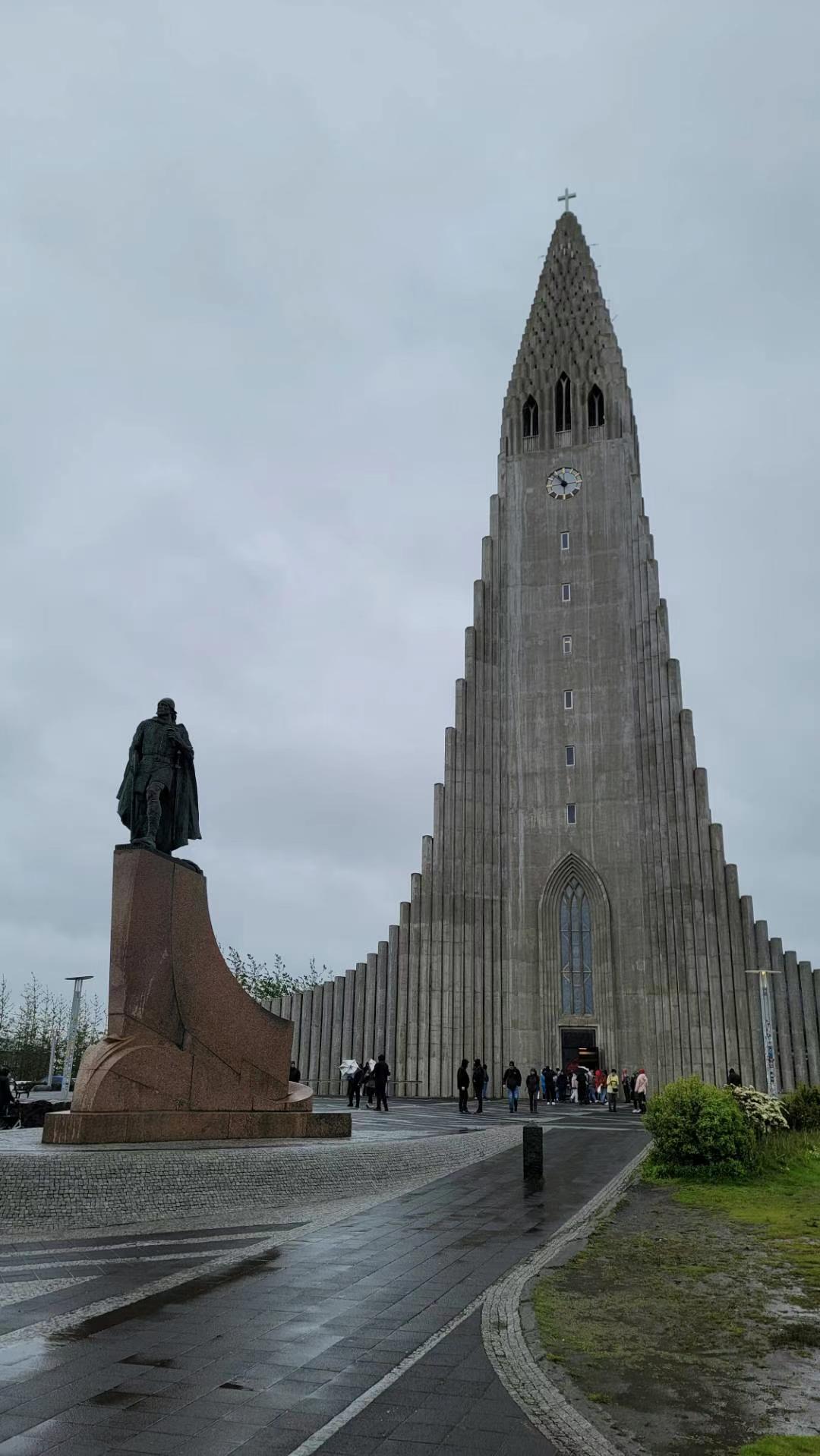
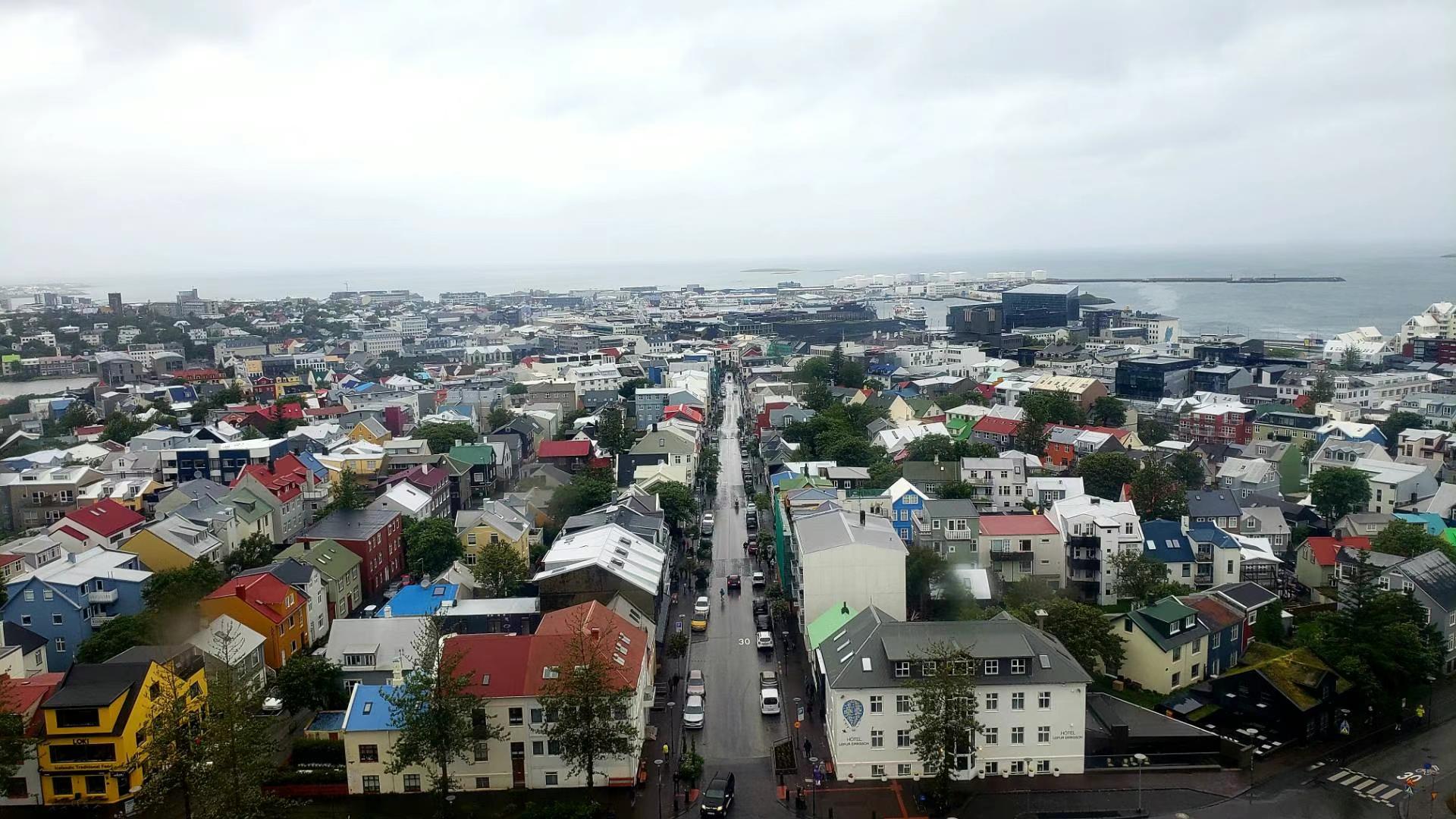
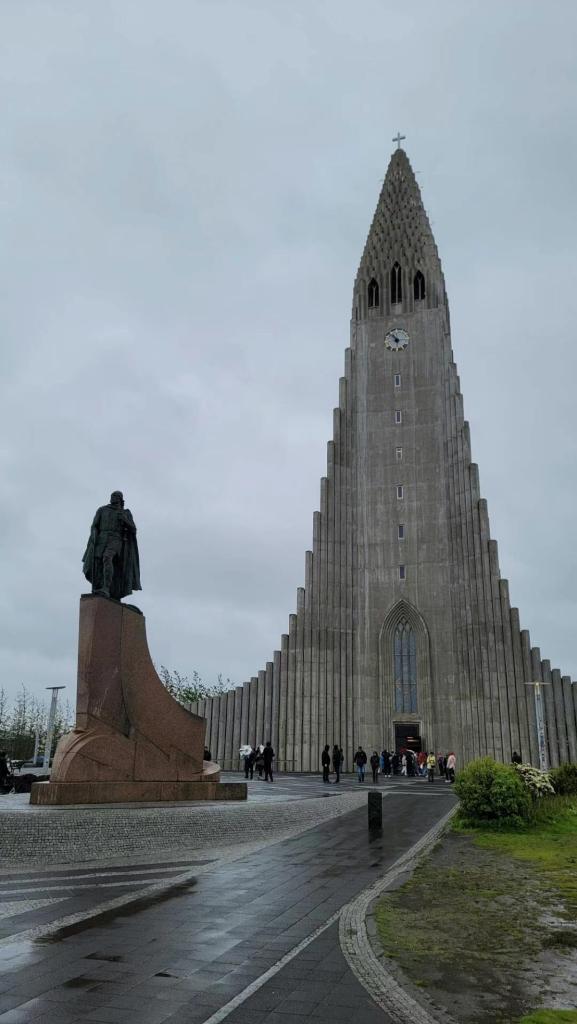
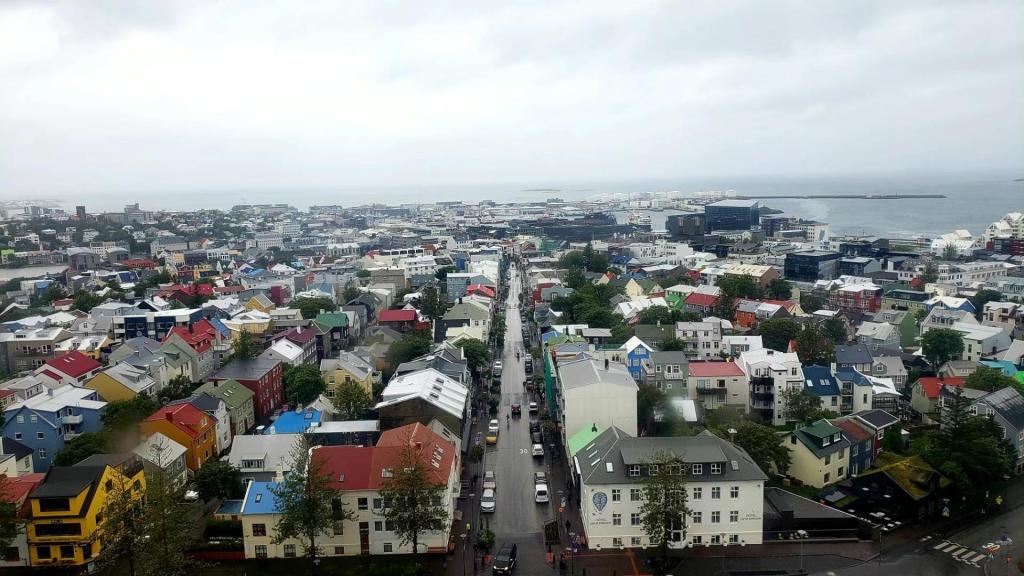
We drove straight from the airport to the city and headed first to Hallgrímskirkja, Reykjavík’s iconic hilltop church. The view from outside was striking even in gloomy weather, and it’s a great central point to start any Reykjavík walk.

🍽️ Café Loki: A True Icelandic Taste Test

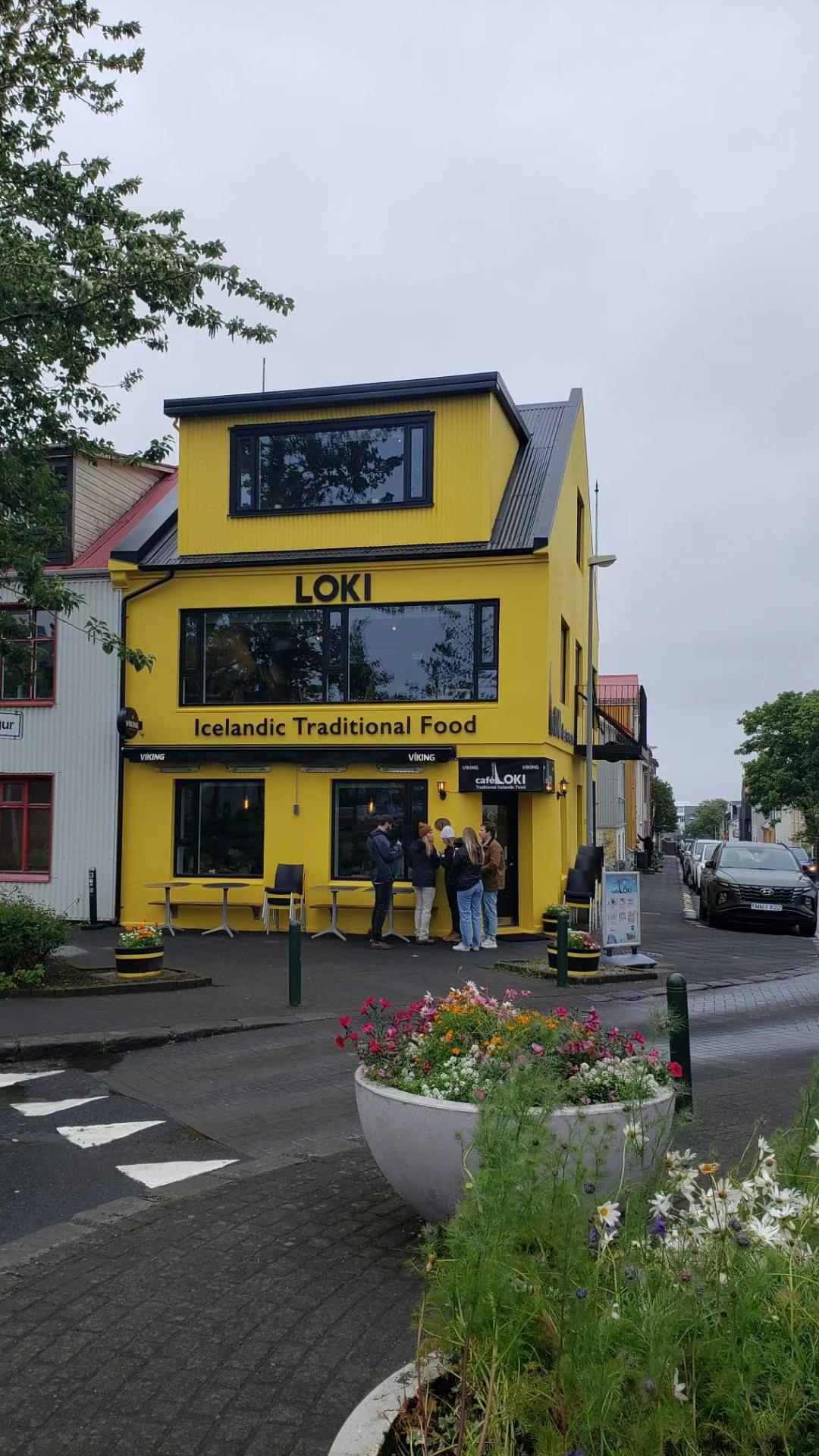
For lunch, we visited Café Loki, directly across from the church. We decided to be adventurous and ordered the “Braveheart” tasting menu, which included:

  • Fermented shark (hákarl): Surprisingly not as bad as expected!
  • Brennivín (Icelandic schnapps): Strong, sharp, and meant to “kill” the shark aftertaste.
  • Sweet rye bread with butter: Honestly, our favorite part of the dish—it’s comforting and balances the rest.

It was a fun and authentic experience that we’ll never forget.

🌈 Rainbow Street & Perlan Museum

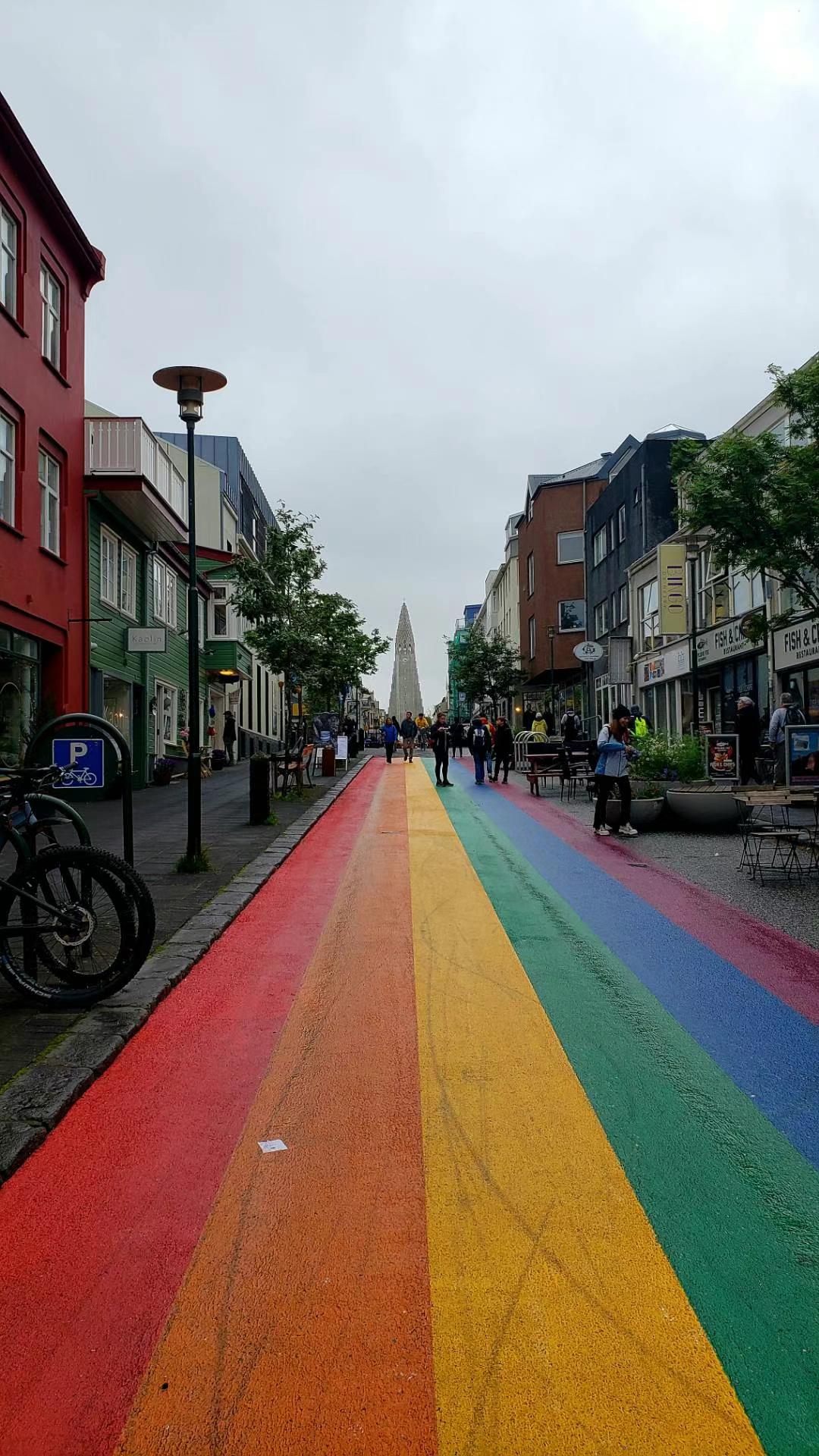
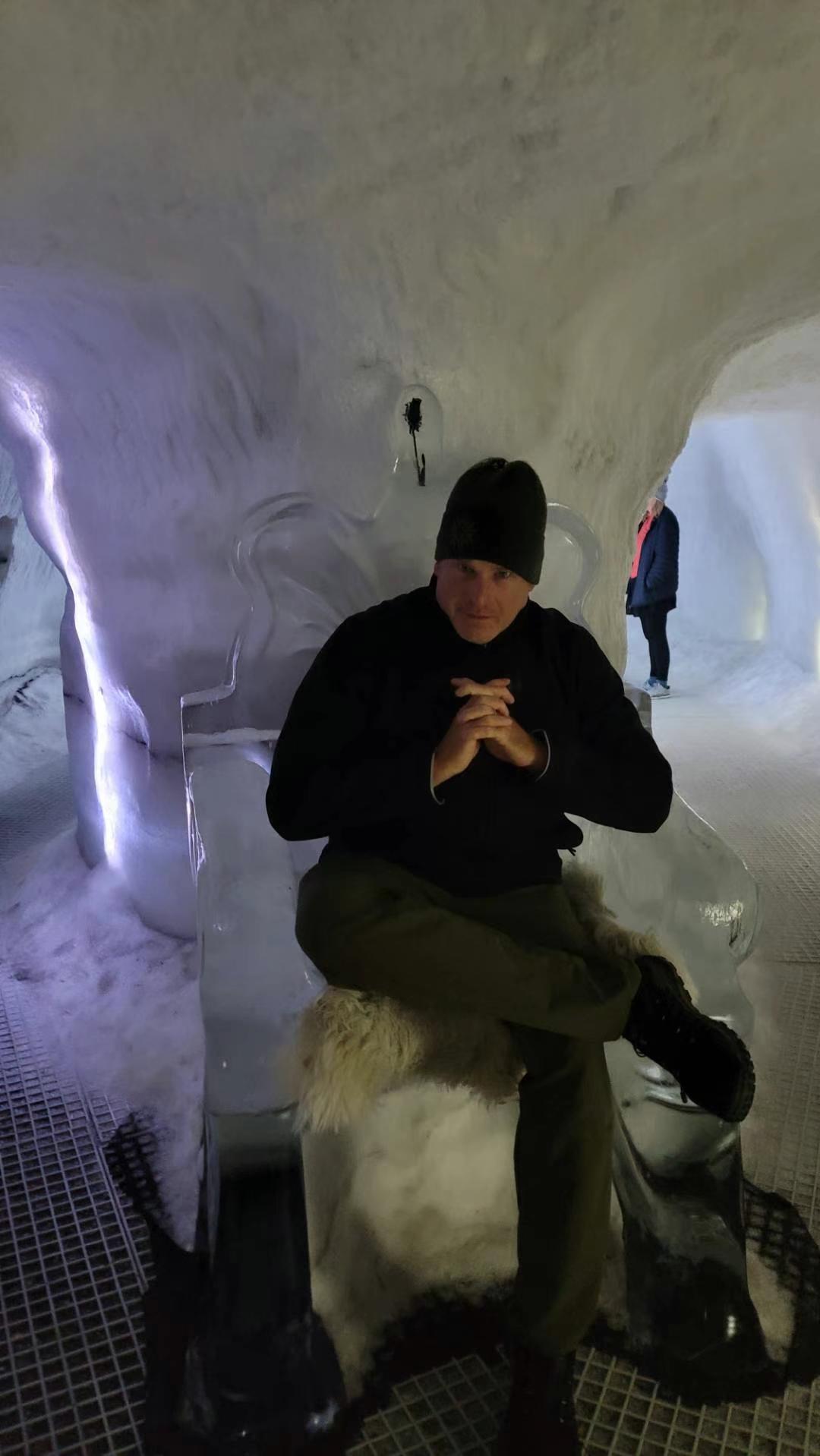
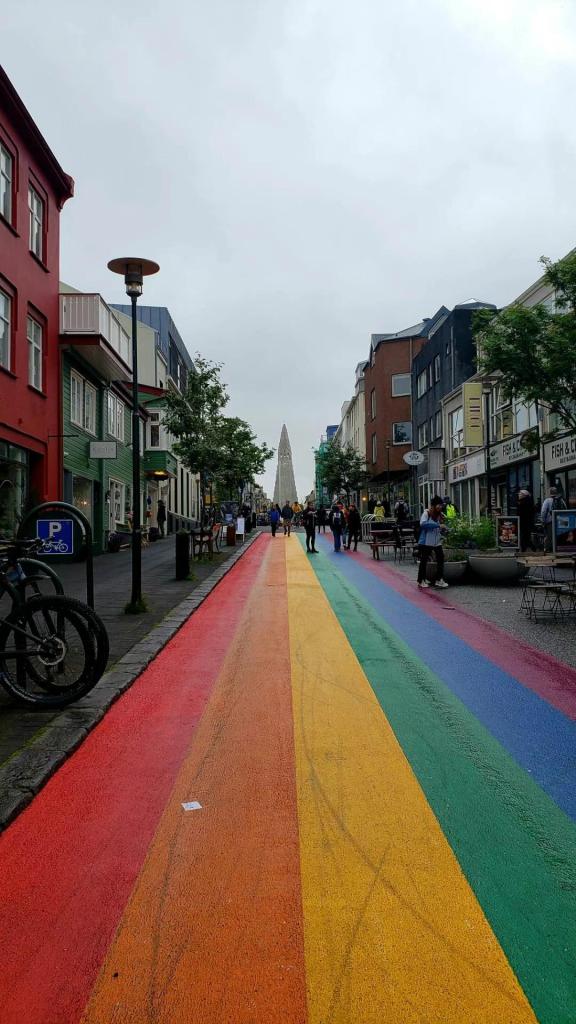
After lunch, we strolled down Rainbow Street (Skólavörðustígur), full of colorful shops, murals, and cozy vibes, even in the drizzle. Later, we headed to Perlan Museum, where the indoor ice cave and 360° observation deck gave us both fun and stunning views—indoors, where it was warm!

🏡 Hafnarfjörður Stay – A Cozy Home and Sad News

We stayed in a peaceful, stylish Airbnb in Hafnarfjörður, just outside Reykjavík. The listing mentioned a cat who freely came and went. As cat lovers, my husband and son were especially excited.

But that evening, before we had a chance to meet the cat, our host messaged to say:

“Our cat went outside earlier and was hit by a car. I’m sorry you won’t get to meet her.”

Even though we hadn’t seen her, the loss hit us. It was a reminder of how even short moments while traveling can stir real emotion.

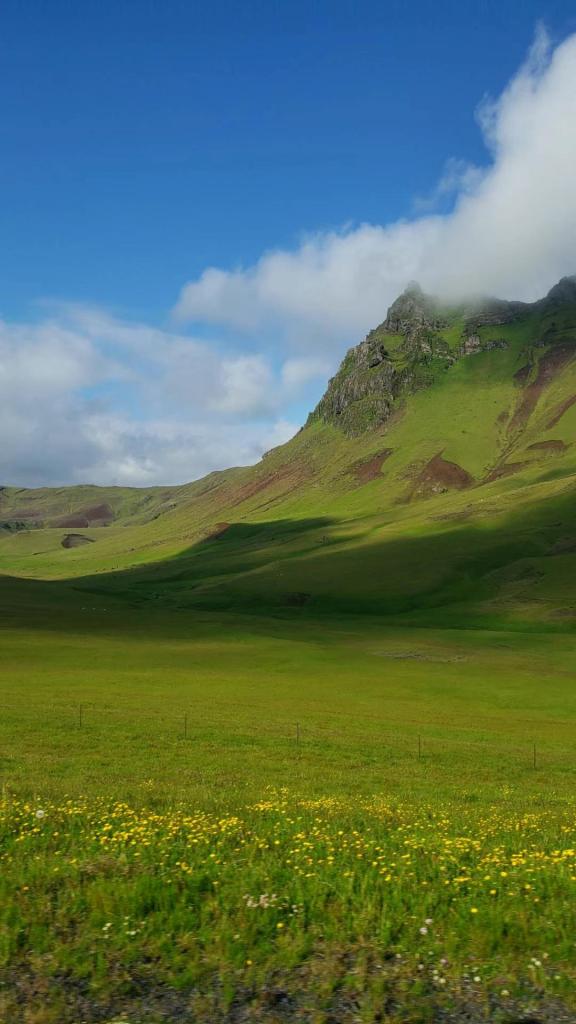
🚗 South Coast Road Trip: Puffins, Cliffs & Waterfalls

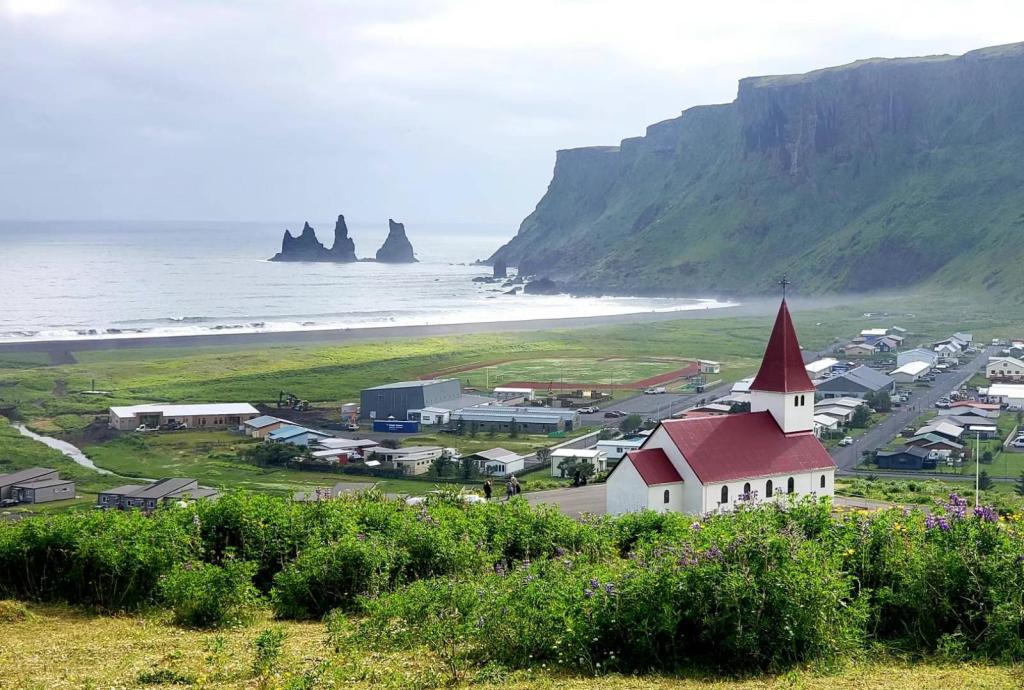
The next day, we took a full-day drive along Iceland’s spectacular South Coast up to Vik, then we turn around and drive back to Hafnarfjörður. We intentionally chose the sequence of scenic stops based on their location on the right side of the road when driving.

🐧 Dyrhólaey Lighthouse

In July, puffins return here. Best for puffin spotting and coastal views.

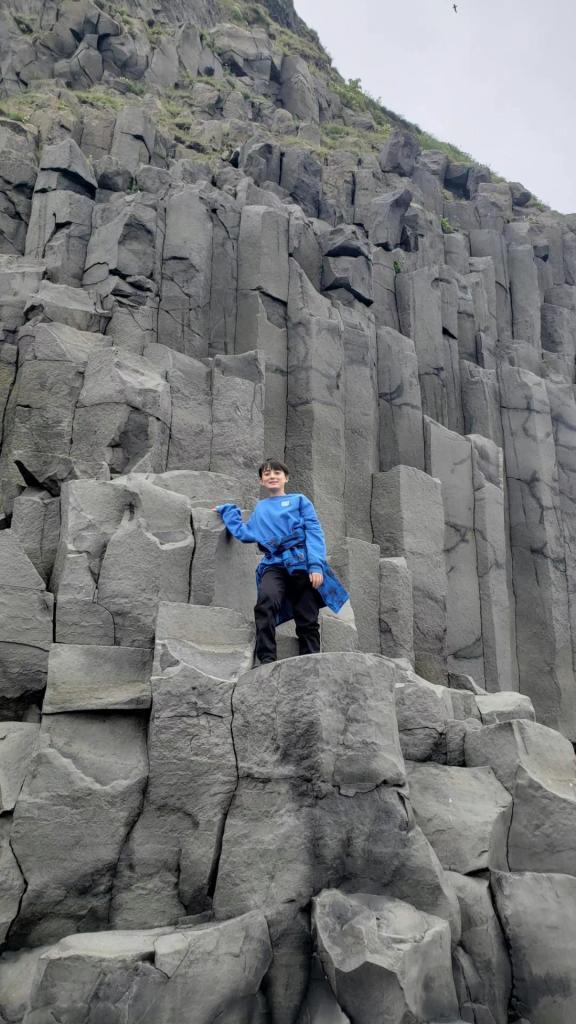
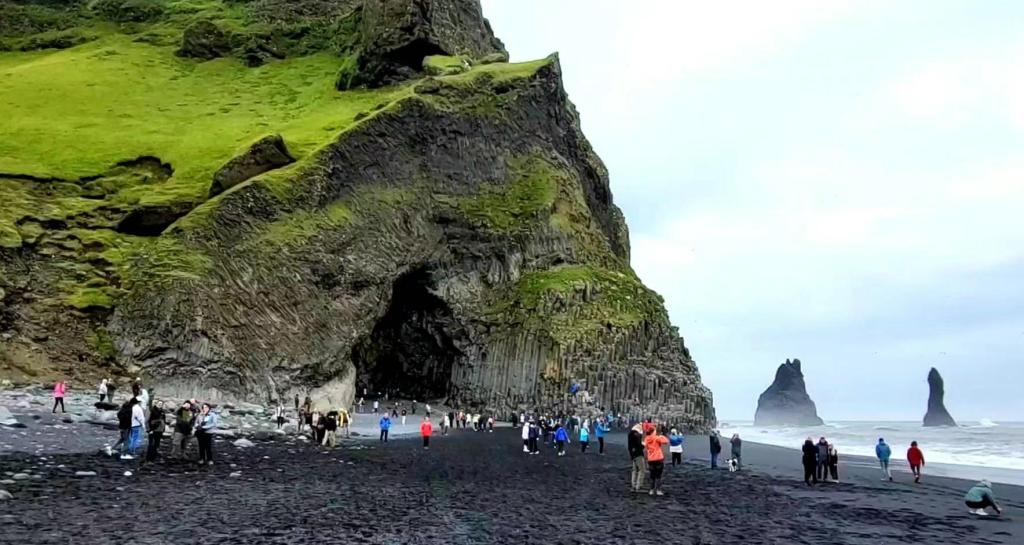
Reynisfjara Black Sand Beach

With towering basalt columns and roaring waves. Be cautious—sneaker waves here can be dangerous.

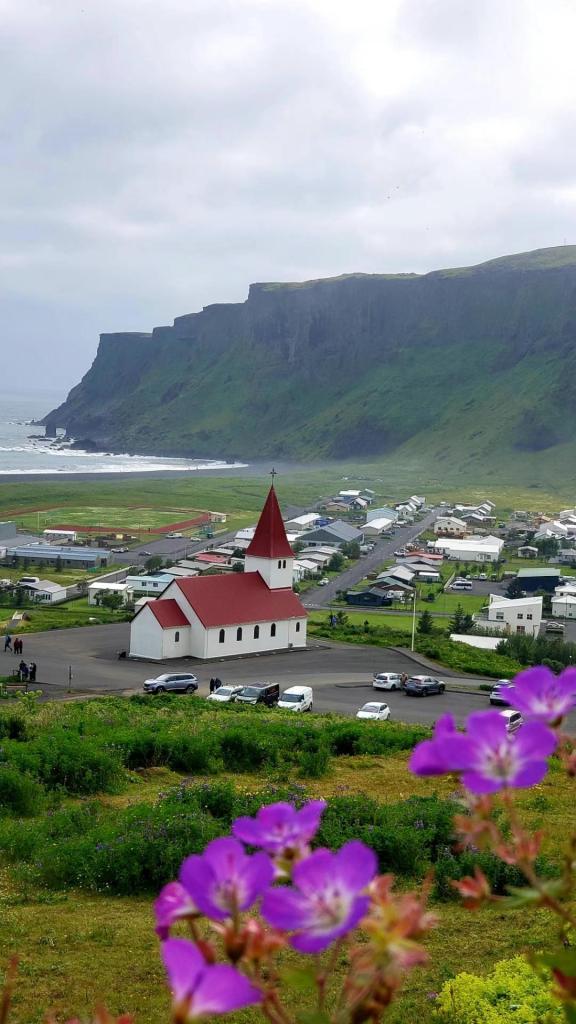
Vík

A cozy town to grab a meal or coffee before heading back west.

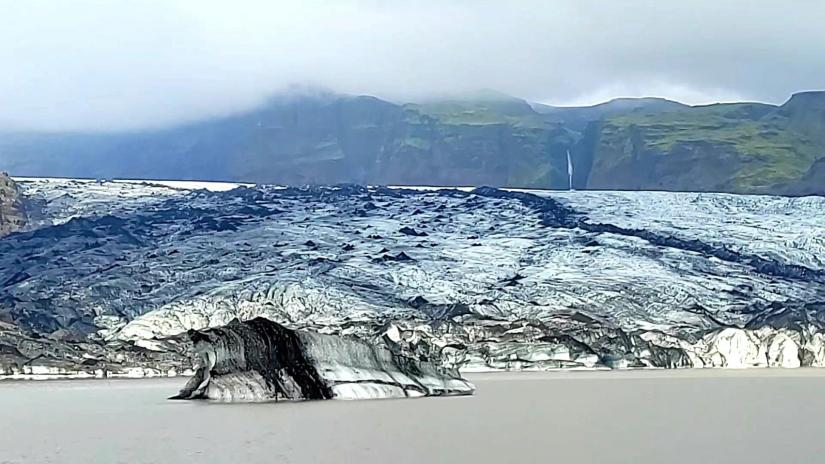
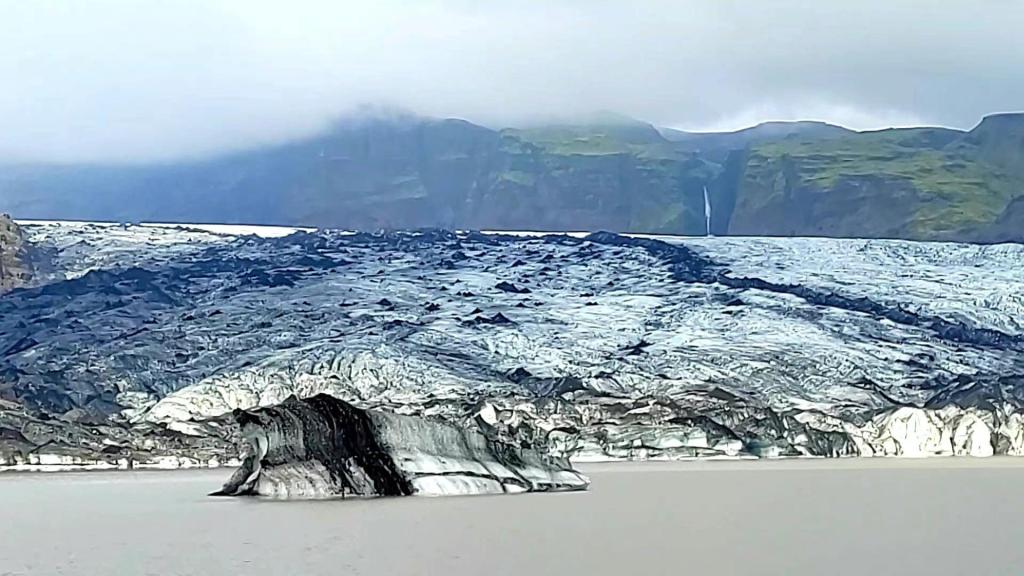
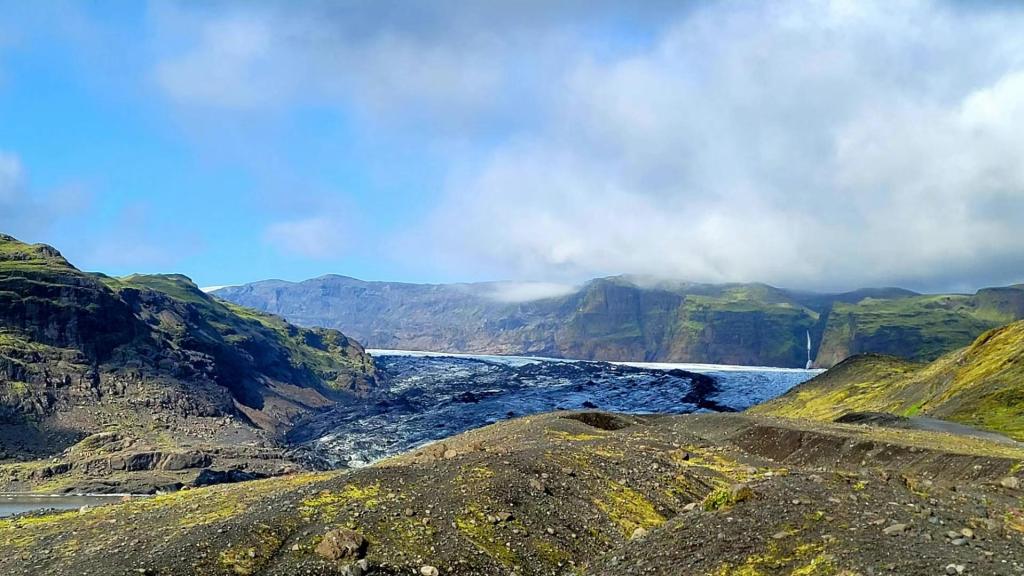
Sólheimajökull

A striking glacier tongue where we took a short walk to admire its rugged ice, volcanic ash layers, and meltwater pools up close.

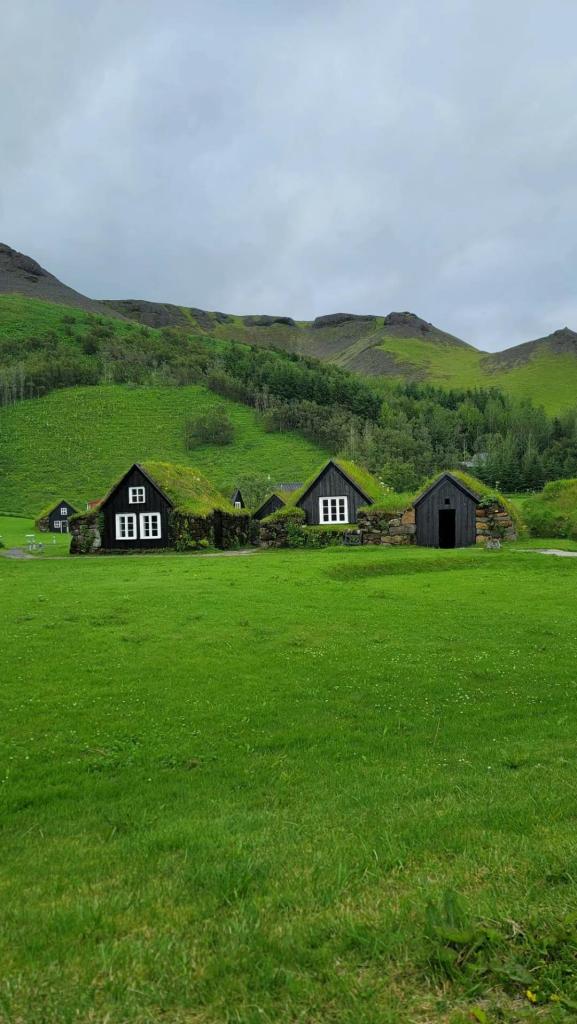
Skógar Museum
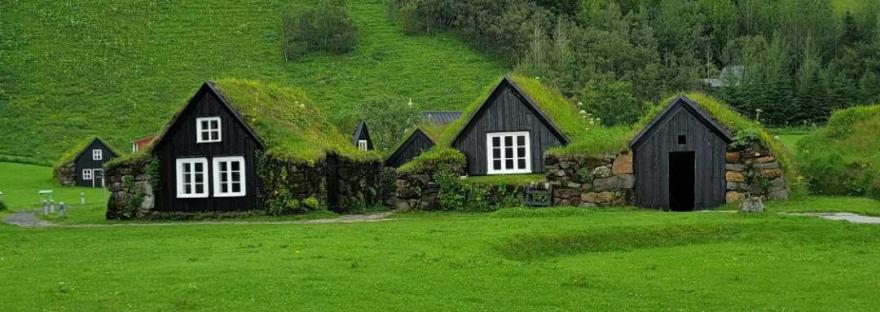
Located right off Route 1 before the Skógafoss turnoff. A great cultural stop to stretch and learn about Icelandic life.

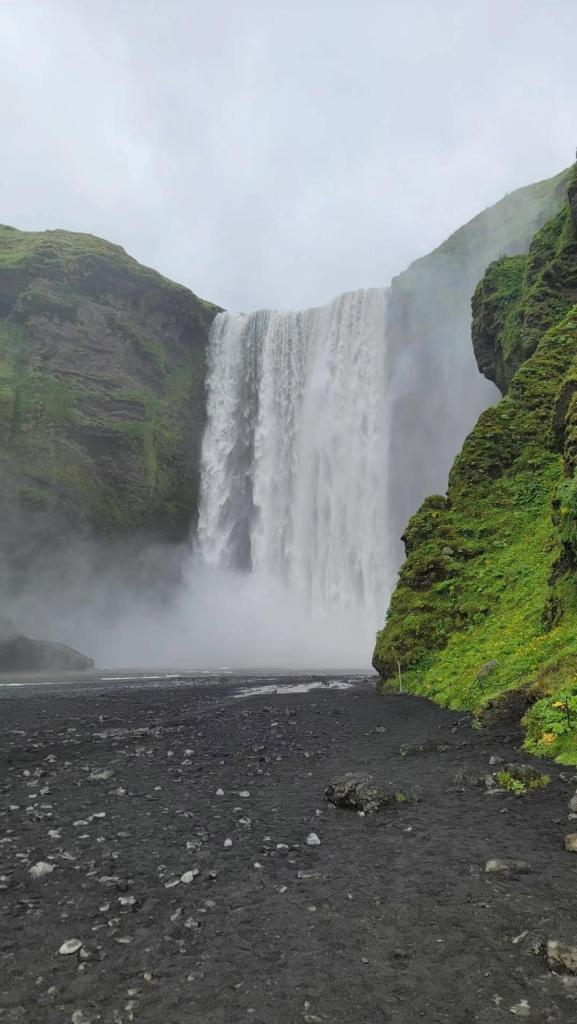
Skógafoss
Just a 2-minute drive from the museum. This majestic waterfall is a perfect photo opportunity and quick hike.

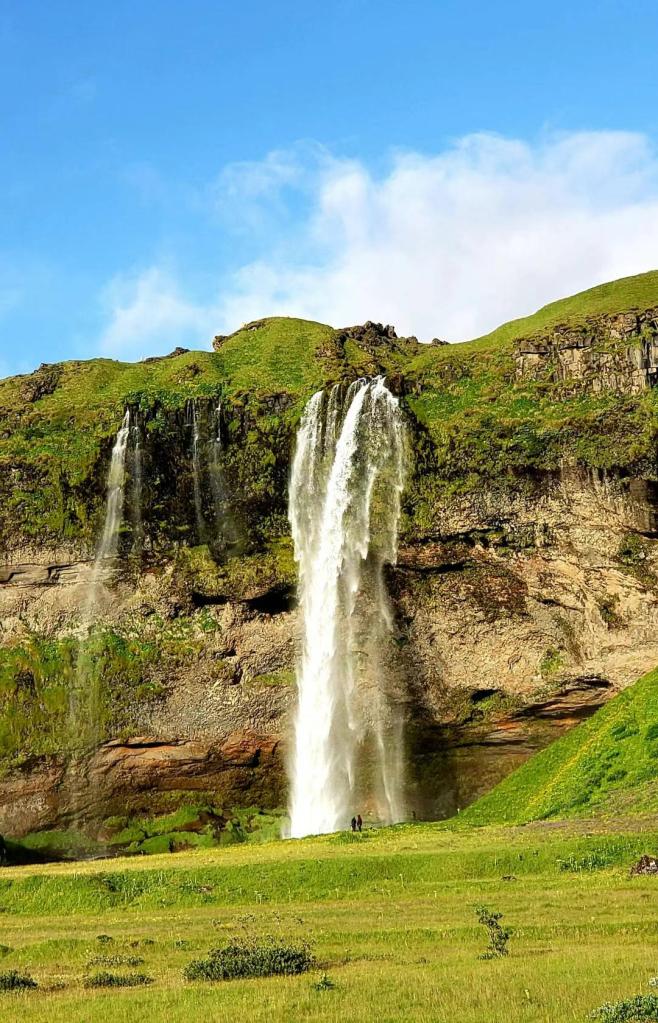
Seljalandsfoss

A waterfall you can walk behind.

By evening, we returned to Hafnarfjörður—tired, happy, and full of memories.

✈️ Departure: July 3

Our return flight from KEF to Minneapolis (MSP) marked the end of this incredible journey. We had made the most of our time—twice—with Iceland’s wild beauty and cultural depth.

🧭 Final Thoughts & Travel Tips

  • Photograph your rental car—even in bad weather.
  • Try traditional foods (the Braveheart menu at Café Loki is unforgettable).
  • July is puffin season—Dyrhólaey is the best spot.
  • Carry extra gas—stations are sparse and not all accept foreign cards.
  • Expect the unexpected—that’s what makes travel unforgettable.

Travel Story

✈️ How to Spend 36 Hours in Iceland: Golden Circle, Blue Lagoon & Local Tips from Our Stopover

When planning our summer trip to Helsinki, we saw a perfect opportunity to add a bonus destination: Iceland. Instead of flying directly, we booked a separate roundtrip from Iceland to Finland with Finnair, giving us 1.5 days to explore Iceland before continuing on.

Our Delta flight DL260 landed at 7:00 AM in Reykjavík. After clearing customs, we picked up our rental car from Thrifty, conveniently located near the airport by shuttle bus, then we drove to hit the highlights of the Golden Circle—Iceland’s most famous driving route. It turned out to be an unforgettable whirlwind of waterfalls, craters, and geothermal wonders.

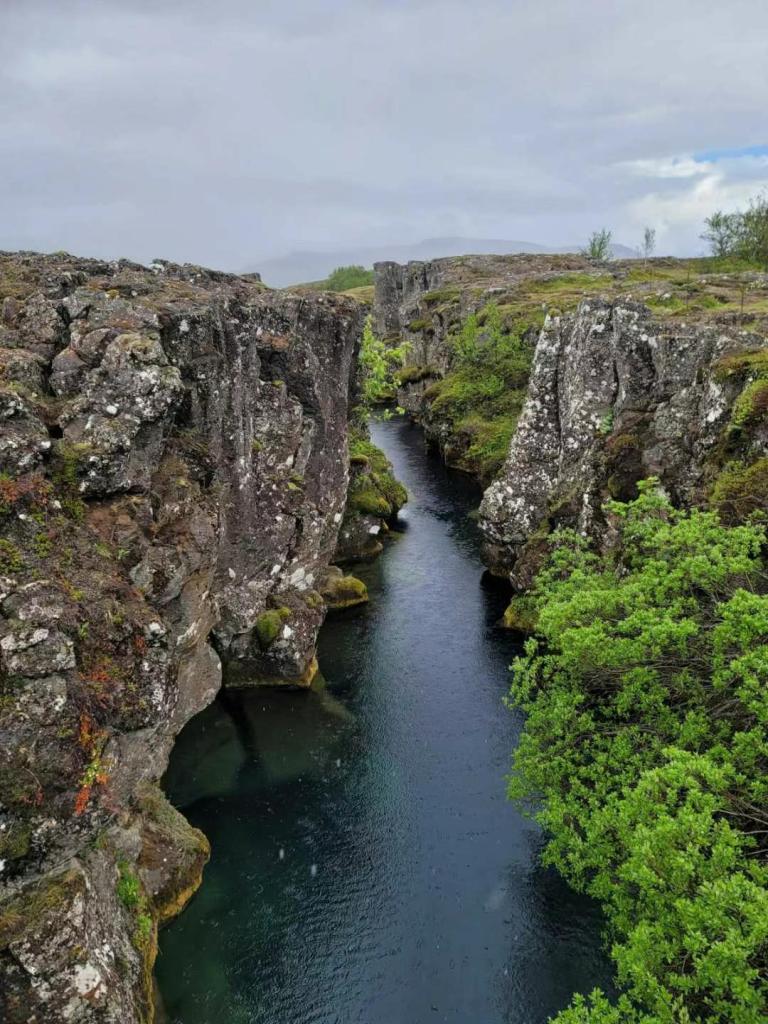
Þingvellir National Park – A UNESCO World Heritage Site where we walked between two tectonic plates. The landscape felt like another planet—mossy, volcanic, and serene.

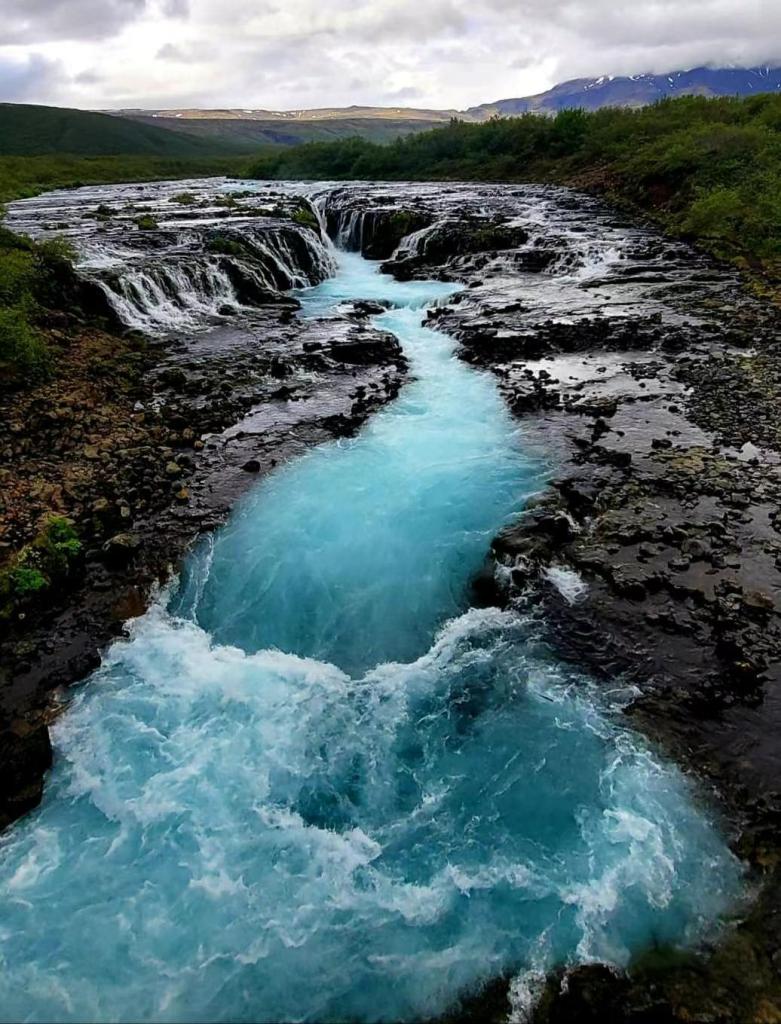
Brúarfoss – A short hike brought us to one of Iceland’s most beautiful hidden waterfalls, with ice-blue water rushing through black volcanic rocks.

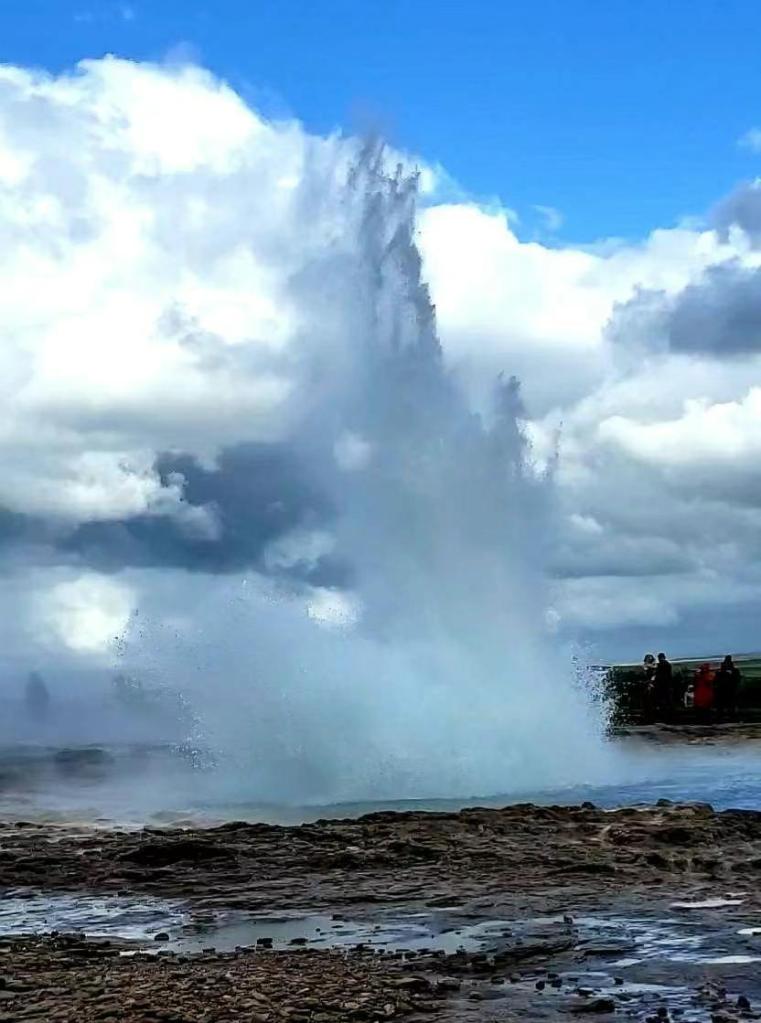
Geysir Hot Spring Area – We watched Strokkur erupt high into the sky every few minutes—mesmerizing and delightfully sulfur-scented!

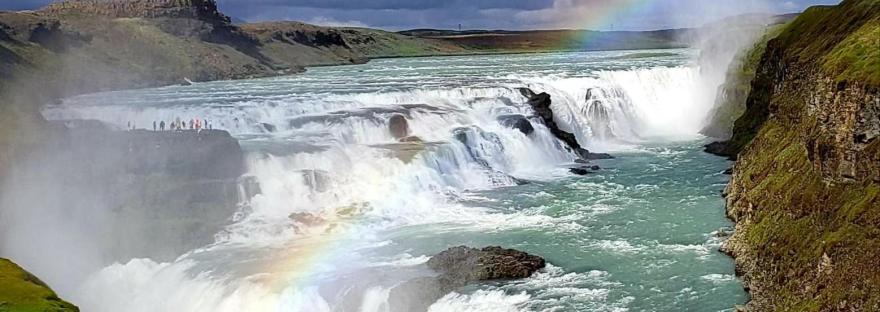
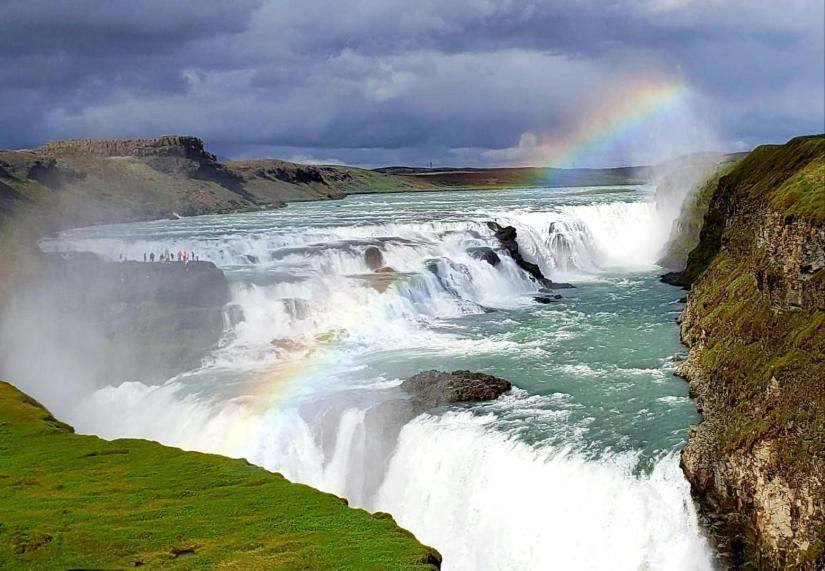
Gullfoss Waterfall – Immense and powerful, this two-tiered waterfall was breathtaking. Mist filled the air, and rainbows danced in the sunlight.

Kerið Crater – Our last stop featured a vivid volcanic crater lake with bright red slopes and turquoise water—perfect for a short walk around the rim.

🧥 Side Story: A Luggage Mishap (and How It Worked Out)

Here’s an unexpected twist: Delta misplaced my husband’s checked luggage, even though it was a direct flight! All his clothes were in the suitcase, and he stepped into chilly, windy Iceland in just shorts and a t-shirt, with temperatures in the 50s–60s°F.

Thankfully, Delta reimburses passengers for necessary clothing purchases. We quickly bought him a rainproof jacket and a warm cap, kept the receipts, and filed for reimbursement once back in the U.S. —which was fully approved. Even better, his suitcase arrived the next day, and since we were staying one night in Reykjavík, we received it in time for our flight to Helsinki.

🏨 Stay in Kópavogur: Budget-Friendly & Comfortable

To save on costs and enjoy more lodging options, we booked an Airbnb in Kópavogur, a suburb just outside Reykjavík. It was peaceful, comfortable, and well located, with grocery stores nearby and free parking. It made a great base for a one-night stay.

💳 Currency + 🚘 Gas Tips

We exchanged some local currency at the airport just in case. But in reality, credit cards were accepted everywhere, even at small parking lots and public restrooms. Iceland is highly card-friendly.

However, one thing to be mindful of is fuel. Gas stations in rural areas are sporadic, and some small self-service pumps may not accept foreign credit cards. It’s wise to top up whenever you see a gas station and consider carrying a local card or prepaid option as backup.

🌊 June 25 – Blue Lagoon + Cliffs Before Departure

We started our final hours in Iceland with a relaxing soak in the Blue Lagoon. It is a geothermal spa famous for its milky-blue water and rejuvenating minerals. We had reserved our spot online ahead of time, which is highly recommended, especially during peak travel months.

After the spa, we drove to the Krýsuvíkurberg Cliffs—a less touristy but spectacular stop along the Reykjanes Peninsula. Towering black cliffs met the Atlantic Ocean below, and seabirds soared through the wind. It was a refreshing contrast to the previous day’s attractions and a peaceful way to end our visit.

🦅 A Seagull Showdown on the Cliffs

While visiting a scenic cliff area, we had an unexpected wildlife encounter. My husband spotted a nesting seagull perched near the edge and tried to take a photo. The mother bird had other plans.

Suddenly, she launched into the air, shrieking, and dive-bombed his head! Beak-first! Thankfully, she missed, but we quickly backed away and let her protect her nest in peace. It was a hilarious and humbling reminder: Iceland’s nature is wild—and fiercely protected.

🛫 Onward to Helsinki

By late afternoon, we were back at Keflavík Airport, ready to catch our Finnair flight to Helsinki. Iceland had given us a quick but rich glimpse of its wild beauty—and even a travel lesson or two.

✅ Quick Tips for a Short Iceland Stopover

  • Rent a car for maximum freedom—even for just one day.
  • Prioritize 3–5 key stops instead of trying to do it all.
  • Book Blue Lagoon or other spas in advance.
  • Stay near Reykjavík or in suburbs like Kópavogur for better lodging options.
  • Carry some warm layers in your carry-on, just in case of lost luggage.
  • Don’t get too close to nesting birds. They mean business.
  • Fuel up early and often—gas stations may be few and far between.
Medical Interpretation

🌸Bilingual Guide to Gynecologic Terminology in English and Chinese

As a medical interpreter, I’ve encountered some gynecologic terms that can sound similar but refer to very different conditions. Misunderstanding them can create confusion during patient encounters, especially when communicating across languages.

In this post, I’d like to share what I’ve learned from my professional experience — to help both my peers and patients better understand four commonly confused gynecologic conditions in both English and Chinese.


1. Fibroid – 子宫肌瘤

A fibroid is a noncancerous muscle tumor that grows in or on the uterus. They are very common in women, especially after age 30.

Symptoms:

  • Heavy menstrual bleeding
  • Pelvic pressure or pain
  • Frequent urination

📌 Fibroids are not made of endometrial tissue, unlike adenomyosis or endometriosis.


2. Adenomyosis – 子宫腺肌症

Adenomyosis occurs when endometrial tissue grows into the muscle wall of the uterus. This can cause the uterus to enlarge and become painful.

Symptoms:

  • Painful, heavy periods
  • Cramping
  • Enlarged uterus

📌 Adenomyosis affects the uterine wall only.


3. Endometriosis – 子宫内膜异位症

Endometriosis happens when tissue similar to the uterine lining grows outside the uterus—commonly on the ovaries, fallopian tubes, bladder, or intestines.

Symptoms:

  • Chronic pelvic pain
  • Pain during sex or bowel movements
  • Possible infertility

📌 This condition can lead to scarring, inflammation, and fertility problems.


4. Ovarian Endometrioma / Chocolate Cyst

卵巢子宫内膜异位囊肿 / 巧克力囊肿

A chocolate cyst is a type of ovarian cyst caused by endometriosis. It contains dark, old blood, giving it a chocolate-like appearance.

Symptoms:

  • Painful menstruation
  • Lower abdominal pain
  • Fertility issues

📌 This is a specific form of endometriosis found in the ovary.


🔍 At a Glance: Quick Comparison Table

Condition中文名称LocationMain Feature
Fibroid子宫肌瘤    Uterine muscleBenign muscle tumor
Adenomyosis子宫腺肌症 Uterine wallEndometrial tissue in muscle wall
Endometriosis子宫内膜异位症 Outside uterusEndometrial-like tissue on pelvic organs
Ovarian Endometrioma巧克力囊肿 Inside ovaryCyst filled with old blood caused by endometriosis

🔗 Additional Resources

🗣️ Interpretation Scenarios

Doctor:
“Your ultrasound shows a fibroid, which is a benign growth in the uterus muscle.”
Interpreter:
“您的B超显示是子宫肌瘤,这是一种良性肌肉肿瘤。”

Doctor:
“Unlike fibroids, adenomyosis means the uterine lining grows into the muscle wall, causing pain.”
Interpreter:
“和子宫肌瘤不同,子宫腺肌症是子宫内膜长进子宫肌肉层,导致疼痛。”

🤝 Why This Matters

Understanding the differences between these conditions allows interpreters to:

  • Provide accurate, culturally sensitive explanations
  • Help reduce patient anxiety
  • Improve communication between patients and providers

For patients, knowing these terms in both English and Chinese can help them ask the right questions and understand their care better.


📌 Disclaimer

This post is for educational and language reference purposes only. It does not provide medical advice, diagnosis, or treatment. Always consult a licensed healthcare provider for medical concerns.