Travel Story

An 11-Day Switzerland Itinerary: Practical Lessons, Trade-Offs, and Planning Tips

Table of Contents

Switzerland is one of the most beautiful countries in the world, offering a perfect combination of picturesque villages, majestic mountains, and pristine lakes. In our 11-day summer trip, we focused on small scenic towns, maximizing nature, and using the Swiss train system for convenience.

If you are planning a Switzerland trip and want help designing a route that fits your priorities, I offer itinerary reviews and planning consultations to help you maximize scenic experiences, optimize travel logistics, and avoid common pitfalls.


Research and Strategic Planning

Careful research is the foundation of any successful Switzerland trip. Here’s what we focused on:

  • Base towns: Lucerne, Interlaken, Zermatt, and Montreux, chosen for lakes, mountains, and iconic landscapes.
  • Weather forecasts: especially for Matterhorn visibility.
  • Advance bookings: high-demand activities like the Mt. Pilatus cogwheel train.
  • Swiss Travel Pass: convenient for trains, buses, boats, and some mountain excursions.

We also built in buffer days and maintained flexibility to adjust plans based on weather and mountain conditions.


Transit Cities: Zurich and Geneva

Zurich and Geneva served as excellent transit hubs:

  • Luggage storage at train stations allowed for hassle-free day trips without carrying bags.
  • Zurich’s Lindt Chocolate Tour is very popular in summer—advance booking is strongly recommended. We arrived without a reservation but got a late afternoon slot and adjusted our train schedule to Lucerne with ease thanks to the Swiss Travel Pass.
  • Frequent train connections make same-day visits convenient and stress-free.

Focus on Small Scenic Towns

The real charm of Switzerland lies in its **villages and natural landscapes**, not just its cities. Staying multiple nights in each base town allowed us to:

  • Explore at a relaxed pace without constantly moving hotels.
  • Immerse ourselves in lakes, mountains, and trails.
  • Adjust plans daily based on weather or energy levels.

Lucerne: Mt. Pilatus and Mt. Rigi

Lucerne offers two iconic mountain experiences:

  • Mt. Pilatus: The cogwheel train is highly recommended in summer. Tickets are not fully covered by the Swiss Pass, so advance booking is advised.
  • Mt. Rigi: Known as the “Queen of the Mountains,” it offers gentle hikes, panoramic views, and a relaxed pace. Tickets are fully covered by the Swiss Pass, and no booking is needed. Rigi is perfect for light trekking or as a complementary mountain experience.

Zermatt: Matterhorn & Gornergrat

We timed our Zermatt visit based on the best weather forecast for the Matterhorn. However, even when the peak was partially hidden, hiking around Gornergrat was stunning.

  • Extra time at Gornergrat would have allowed us to enjoy a short hike before taking the late train to Montreux.
  • This experience highlighted the importance of flexibility—sometimes the journey and views along the trail are just as rewarding as the iconic sights themselves.

Transportation Strategy

Switzerland’s train system is central to the experience. Here’s what worked for us:

Swiss Travel Pass

  • Covers most trains, buses, boats, and some mountain cogwheel or gondola rides.
  • Reduces the need to buy individual tickets for every journey.
  • Integrates with the SBB app to check schedules in real time.

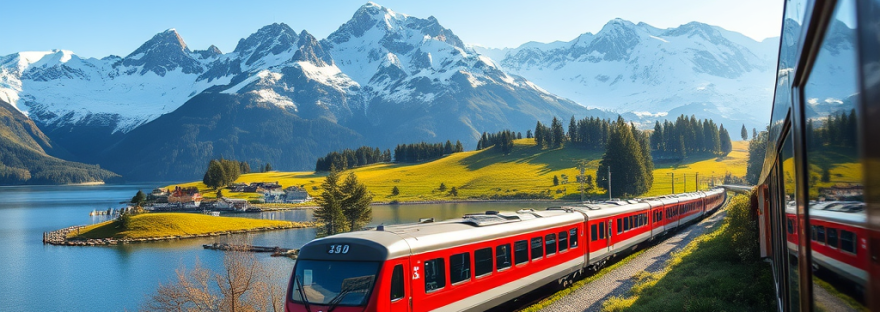
Panoramic Trains

  • Included in the Swiss Pass but require a small seat surcharge.
  • Views are slightly better than regular trains, but not dramatically different.

Key Connections

  • Zurich → Lucerne
  • Lucerne → Interlaken
  • Interlaken → Zermatt
  • Zermatt → Montreux
  • Montreux → Geneva

Tip: Always check timetables for mountain trains, gondolas, and seasonal routes.


Accommodation Strategy

For family trips, we preferred Airbnb:

  • Spacious living areas and multiple bedrooms.
  • Kitchen and laundry for convenience and cost savings.
  • Less stressful than frequent hotel changes.

Hostel in Interlaken

  • Private room and bathroom.
  • Shared kitchen for cooking.
  • Paid laundry and free locker.
  • View of Jungfraujoch directly from the room—an unforgettable sight!

Tip: prioritize function, convenience, and scenic views over luxury or cost for maximum enjoyment.


Food and Cost Reality

  • Grocery shopping and cooking at your Airbnb saves money and allows flexible meal times.
  • Dining out: average dish ≈ 30 CHF; pitcher of tap water ≈ 10 CHF.
  • Mix self-catering with restaurant meals for a balance of convenience and culinary experiences.

Lessons Learned

  • Check dates: Geneva’s UN headquarters was closed on Sunday.
  • Allow more time at Gornergrat to enjoy hiking and views.
  • Restaurant pricing is high; cooking at Airbnb helps manage budget.
  • Pilatus requires advance booking; panoramic trains are optional.

Key takeaway: Build flexibility and buffer time into your itinerary.


Practical Takeaways

  • Limit base towns to 1–2 per region; stay multiple nights to reduce stress.
  • Build flexibility for weather-dependent plans and hiking opportunities.
  • Swiss Travel Pass covers most transport; check mountain schedules.
  • Panoramic trains optional; Rigi included in Swiss Pass, Pilatus requires extra booking.
  • Mix cooking at Airbnb with restaurant meals; budget for extras.
  • Check opening hours and closures; plan but remain flexible.
  • Prioritize function, convenience, and experience over luxury or cost.

Final Thoughts and Reflections

  • Switzerland rewards thoughtful planning, patience, and flexibility.
  • Nature is the essence: lakes, mountains, and small villages define the experience.
  • Function over luxury: accommodations and transport designed for convenience improve enjoyment.
  • Small planning details matter: dates, reservations, and budget considerations significantly impact the trip.

If you are planning a Switzerland trip and want help designing a route that fits your priorities, I offer itinerary reviews and planning consultations to ensure a stress-free and unforgettable experience.

Switzerland is magical, and with the right preparation, your journey can be as seamless and breathtaking as it deserves to be.
Travel Story

🛬 2 Days in Iceland After Helsinki: South Coast Road Trip, Puffins & Real-Life Travel Lessons

After our unforgettable stopover in Iceland en route to Helsinki, we returned for a longer visit—two nights and two full days—before heading back to the U.S. This time, we planned to dive deeper into Iceland’s South Coast and explore more of Reykjavík. But as with any trip, there were surprises—some joyful, some frustrating, and one unexpectedly sad.

✈️ July Return: Early Morning Arrival + Rough Weather Welcome

We flew back to Reykjavík from Helsinki on a Finnair flight departing at 7:10 AM, arriving at Keflavík Airport at 8:00 AM. Iceland greeted us with pouring rain, and we hurried through the airport to pick up our rental car from Thrifty.

⚠️ A Lesson in Rain and Rentals

In hindsight, we should have taken a video of the car from all angles when we picked it up—but the downpour made it nearly impossible. When we returned the vehicle two days later, a small dent was discovered, which we hadn’t noticed during the trip. It was an upsetting moment.
My husband, frustrated by the situation (and wet, again), reacted a bit harshly. The staff member was understandably upset. We apologized sincerely, explaining that our frustration wasn’t personal. We signed the paperwork and chalked it up to bad luck.

Fortunately, we were never charged—a small relief after a tense experience. Moral of the story: always document your rental car’s condition, even in the rain.

⛪ Reykjavík Day: From Shark Shots to Street Art

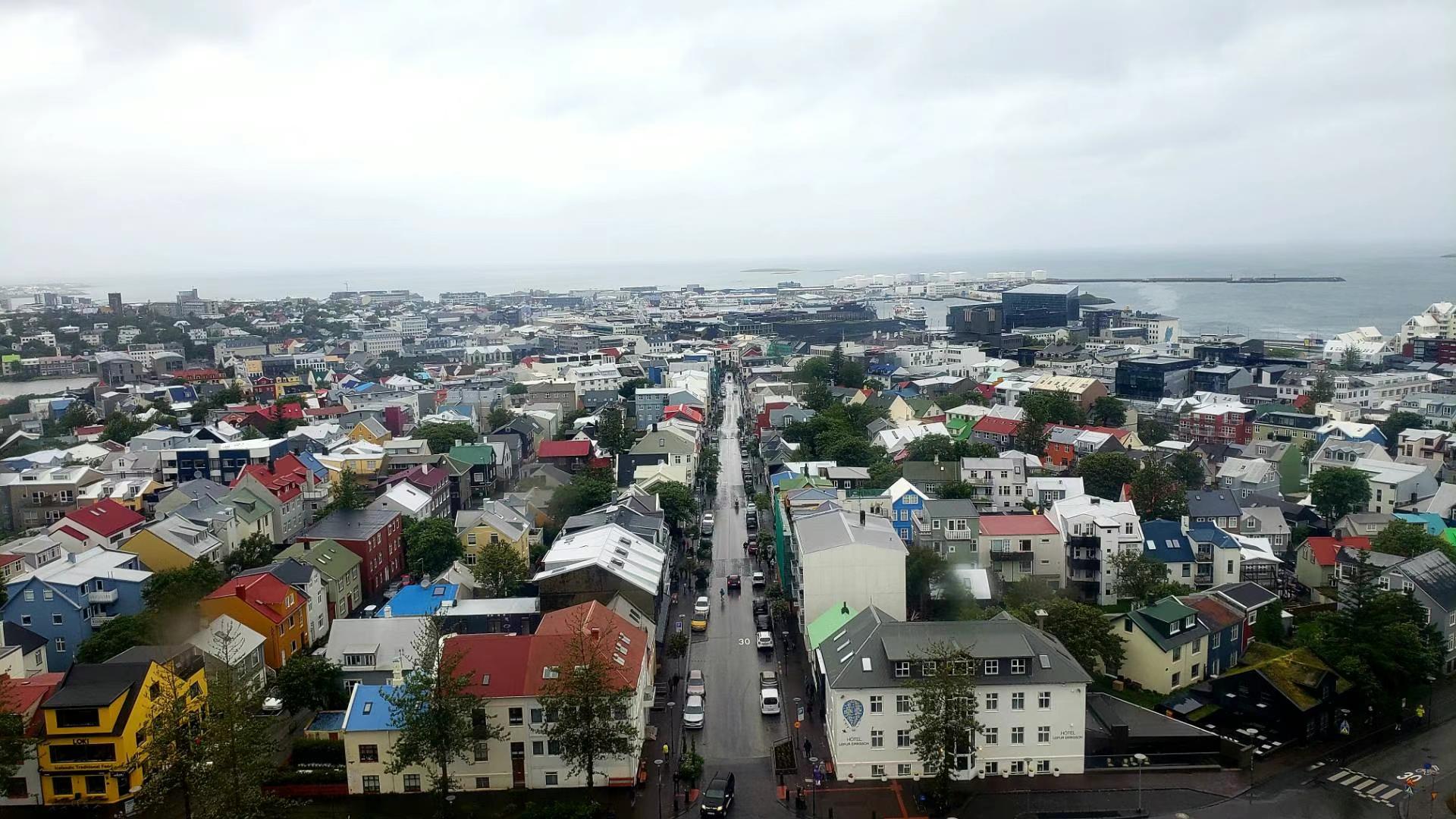
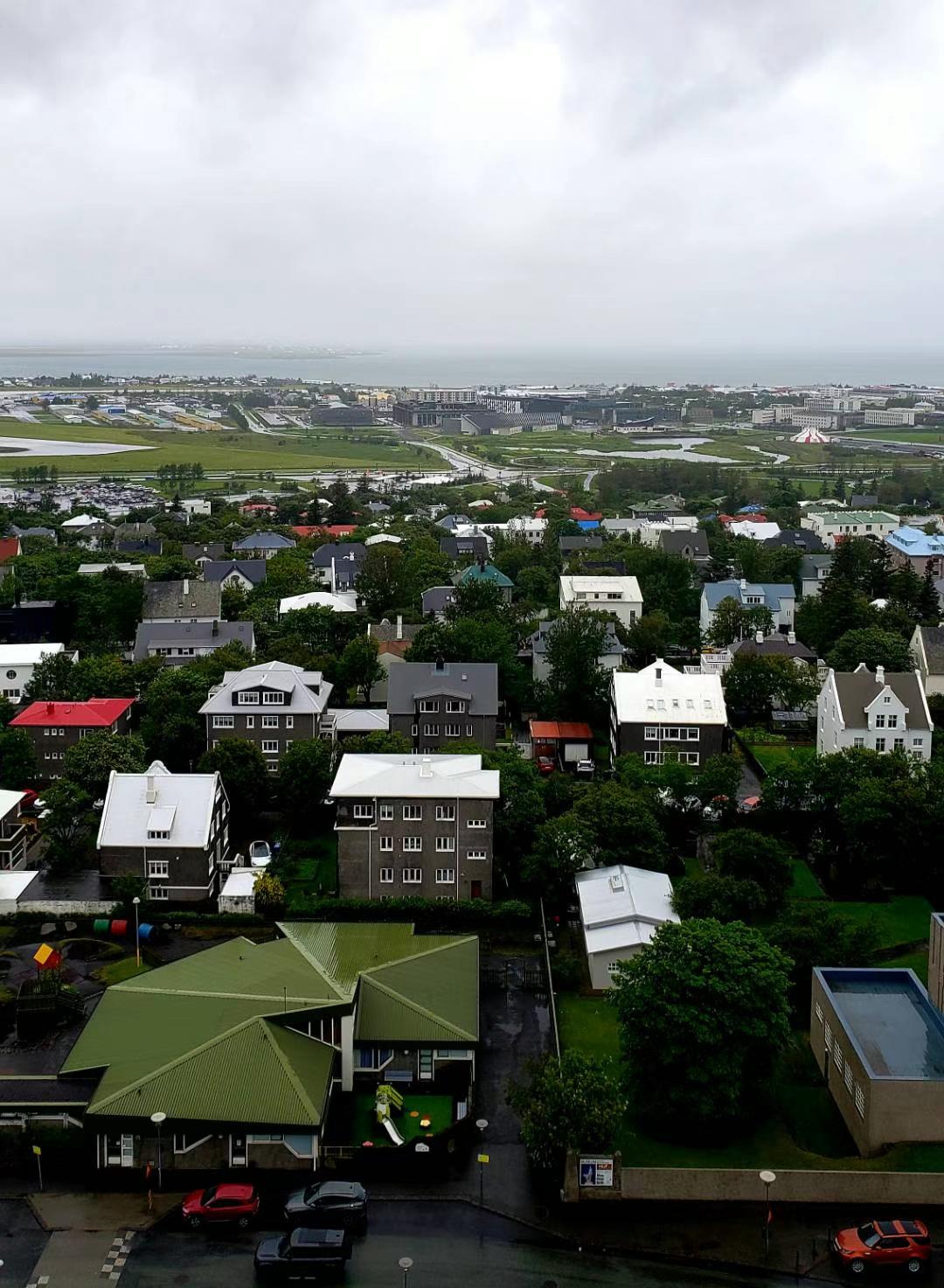
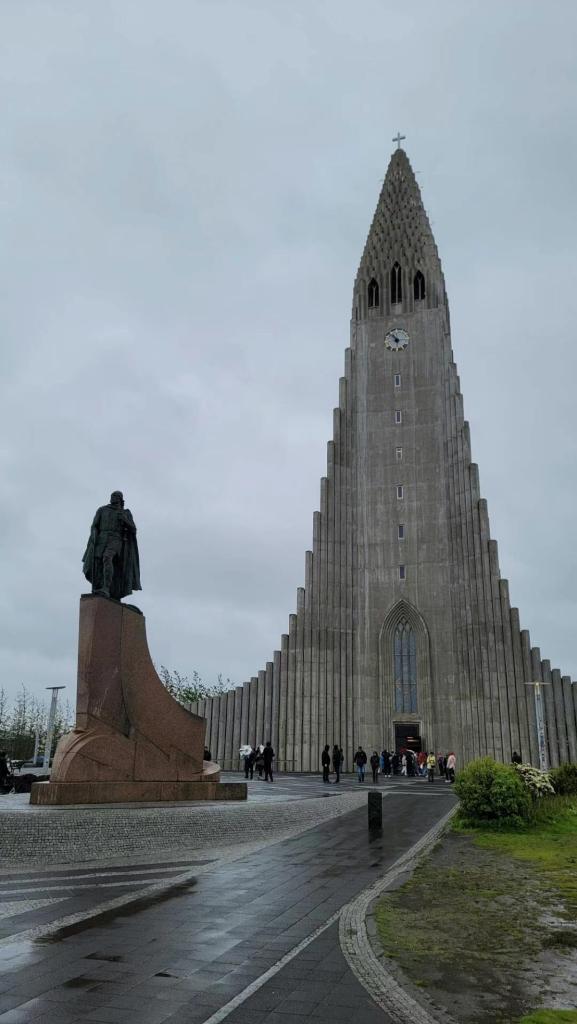
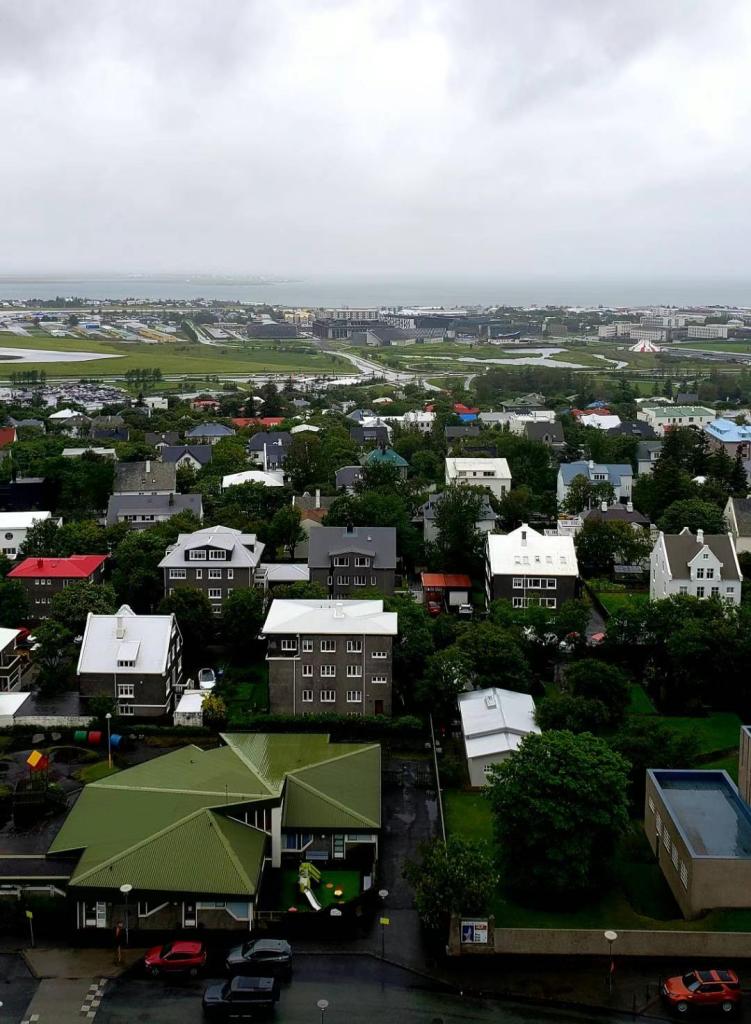
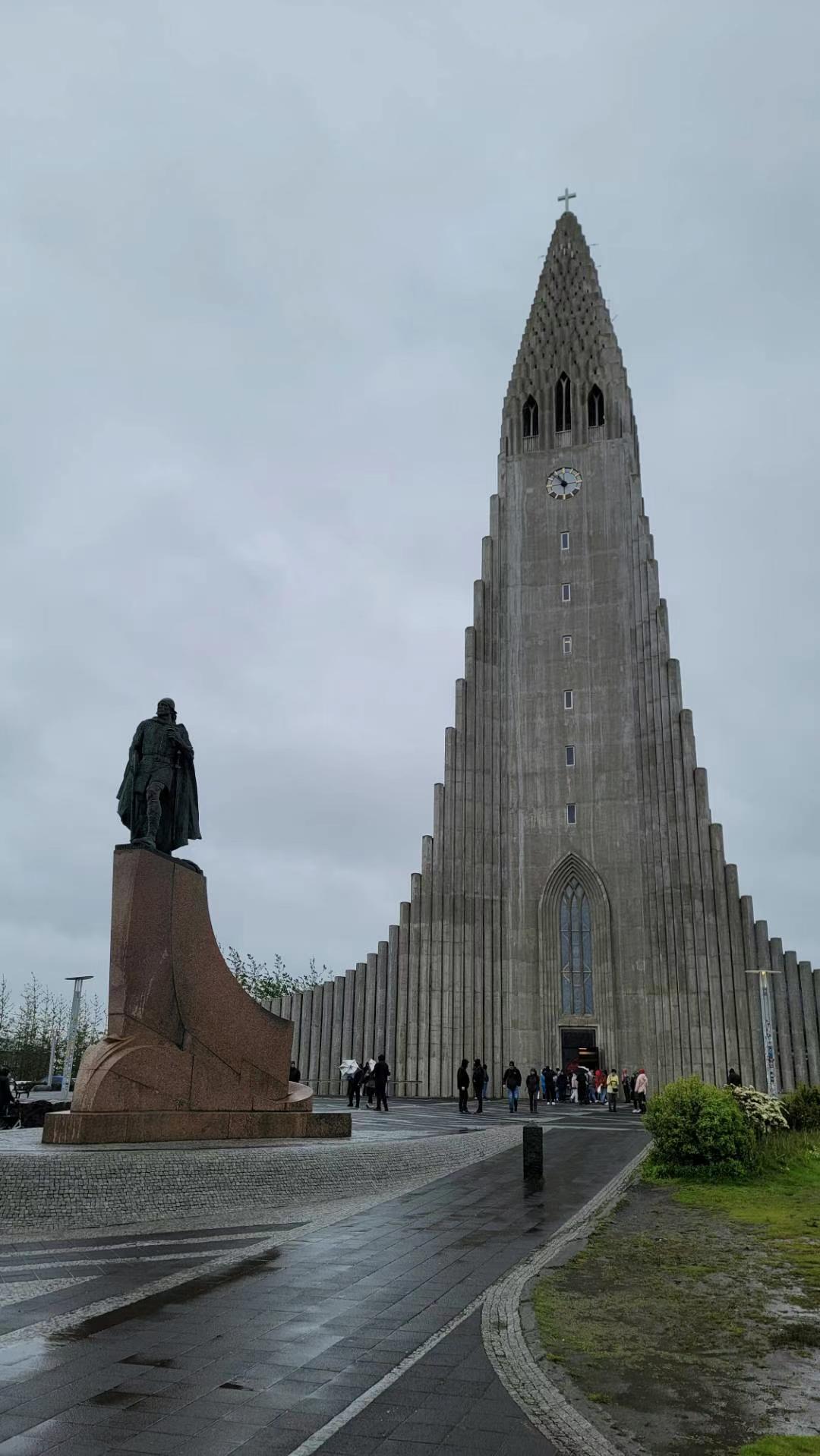
We drove straight from the airport to the city and headed first to Hallgrímskirkja, Reykjavík’s iconic hilltop church. The view from outside was striking even in gloomy weather, and it’s a great central point to start any Reykjavík walk.

🍽️ Café Loki: A True Icelandic Taste Test

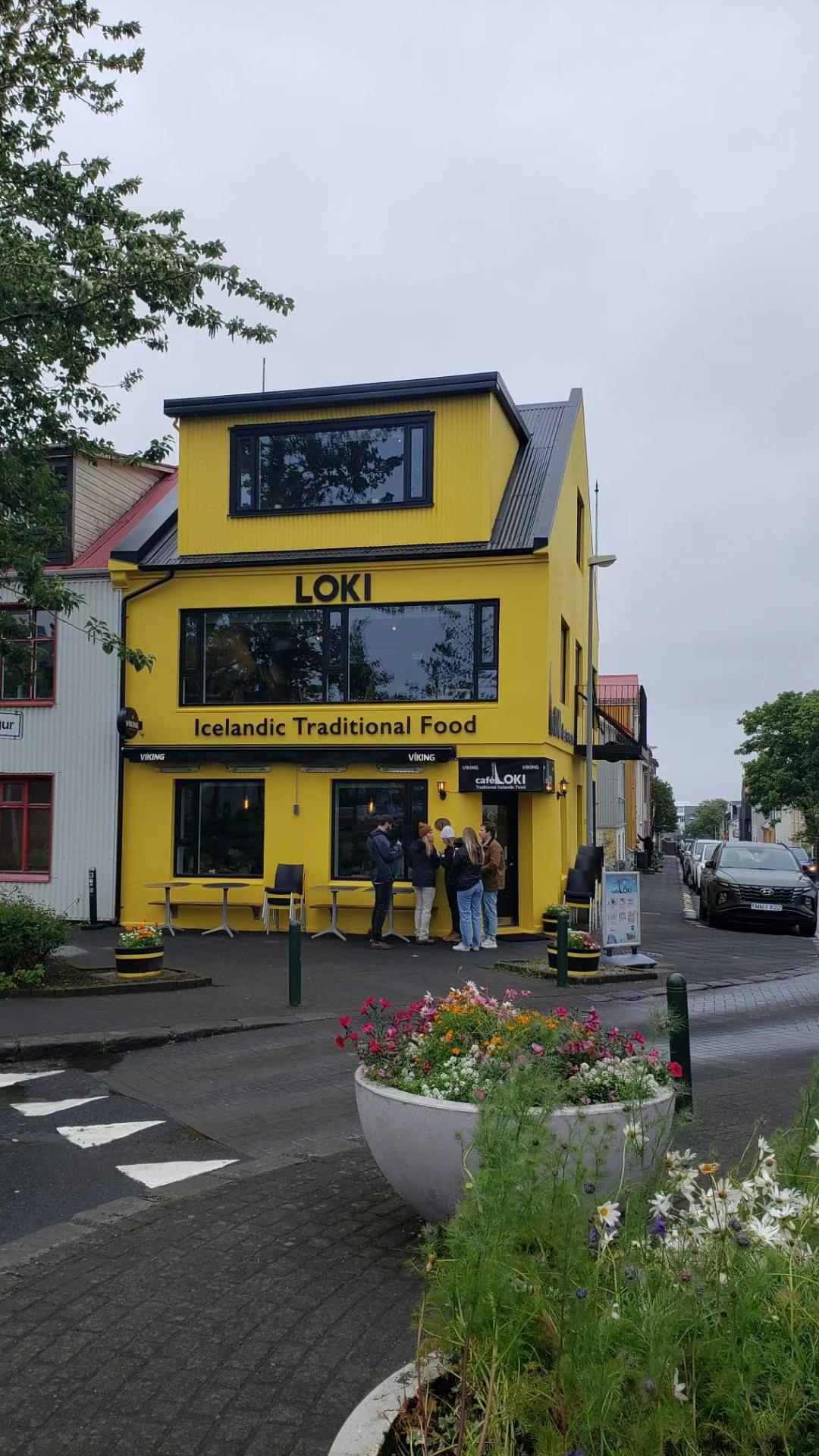
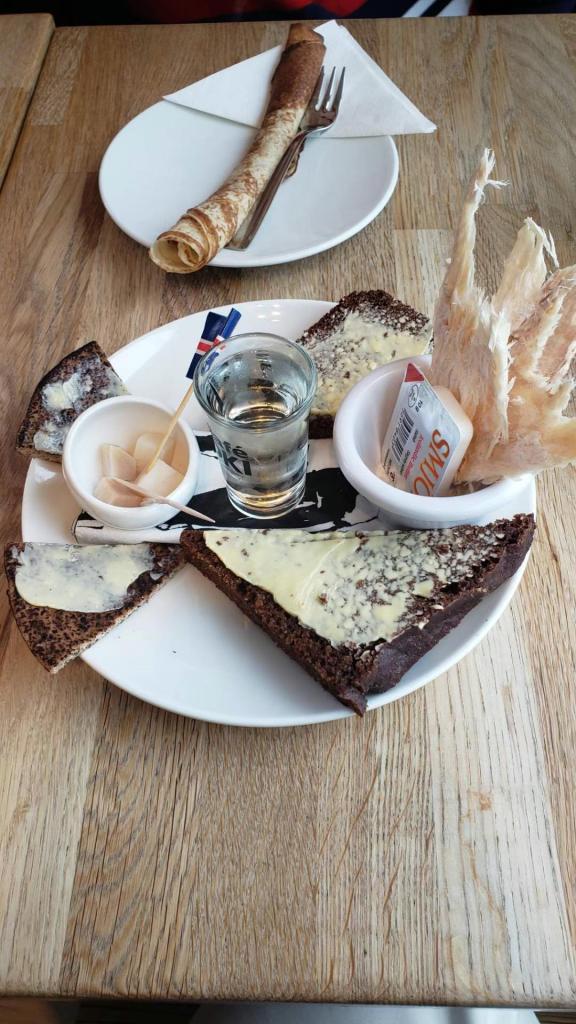
For lunch, we visited Café Loki, directly across from the church. We decided to be adventurous and ordered the “Braveheart” tasting menu, which included:

  • Fermented shark (hákarl): Surprisingly not as bad as expected!
  • Brennivín (Icelandic schnapps): Strong, sharp, and meant to “kill” the shark aftertaste.
  • Sweet rye bread with butter: Honestly, our favorite part of the dish—it’s comforting and balances the rest.

It was a fun and authentic experience that we’ll never forget.

🌈 Rainbow Street & Perlan Museum

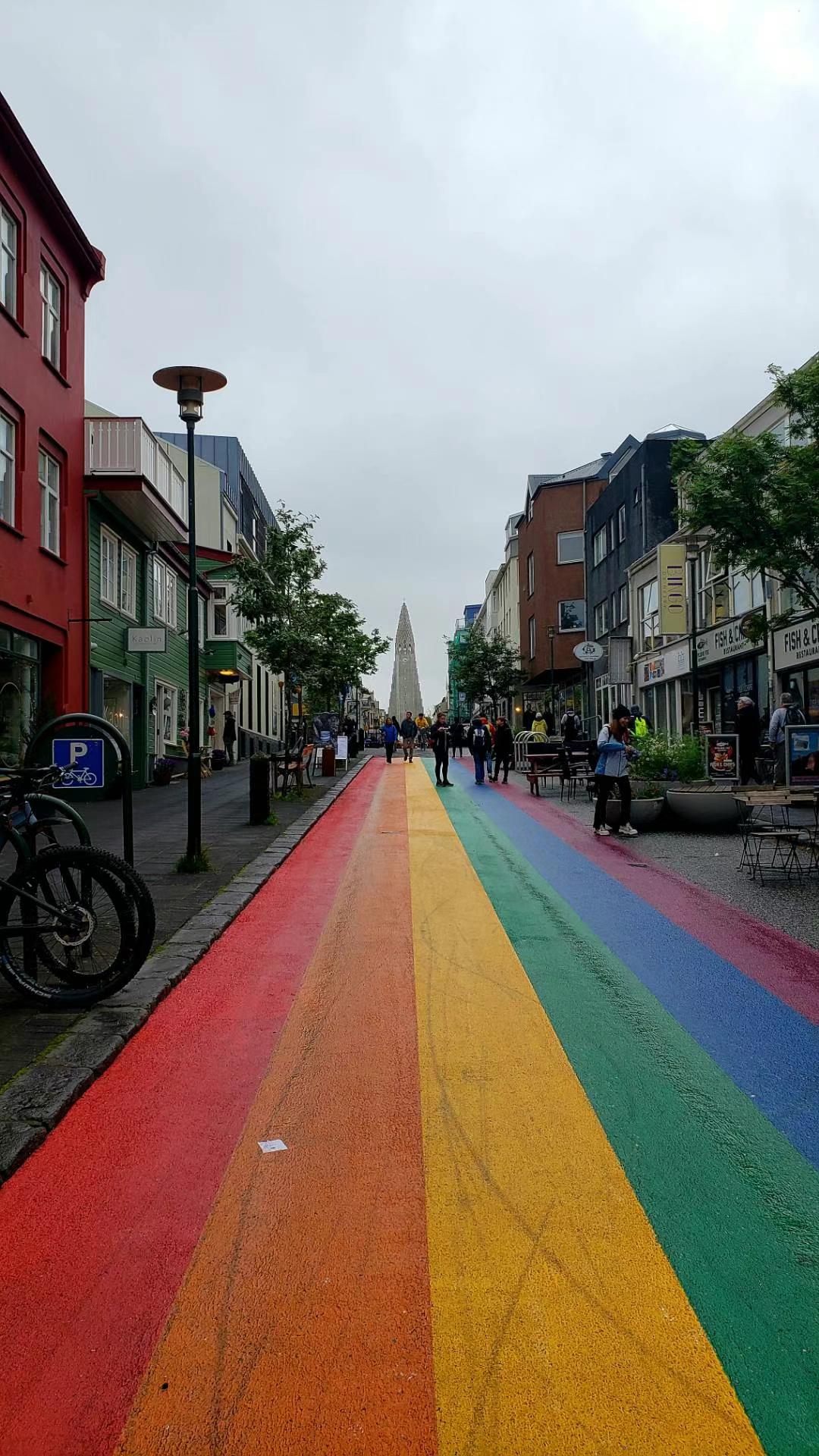
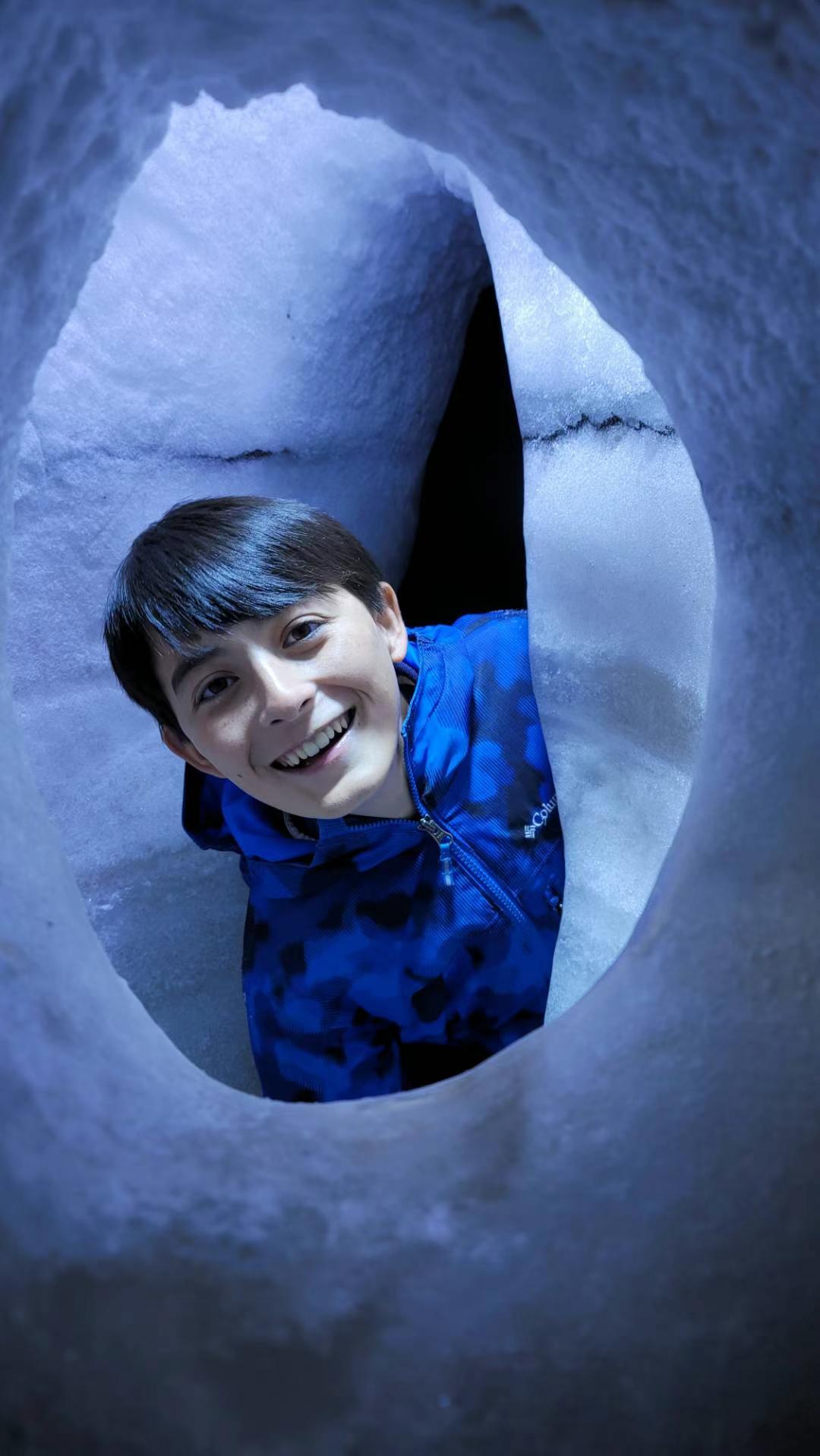
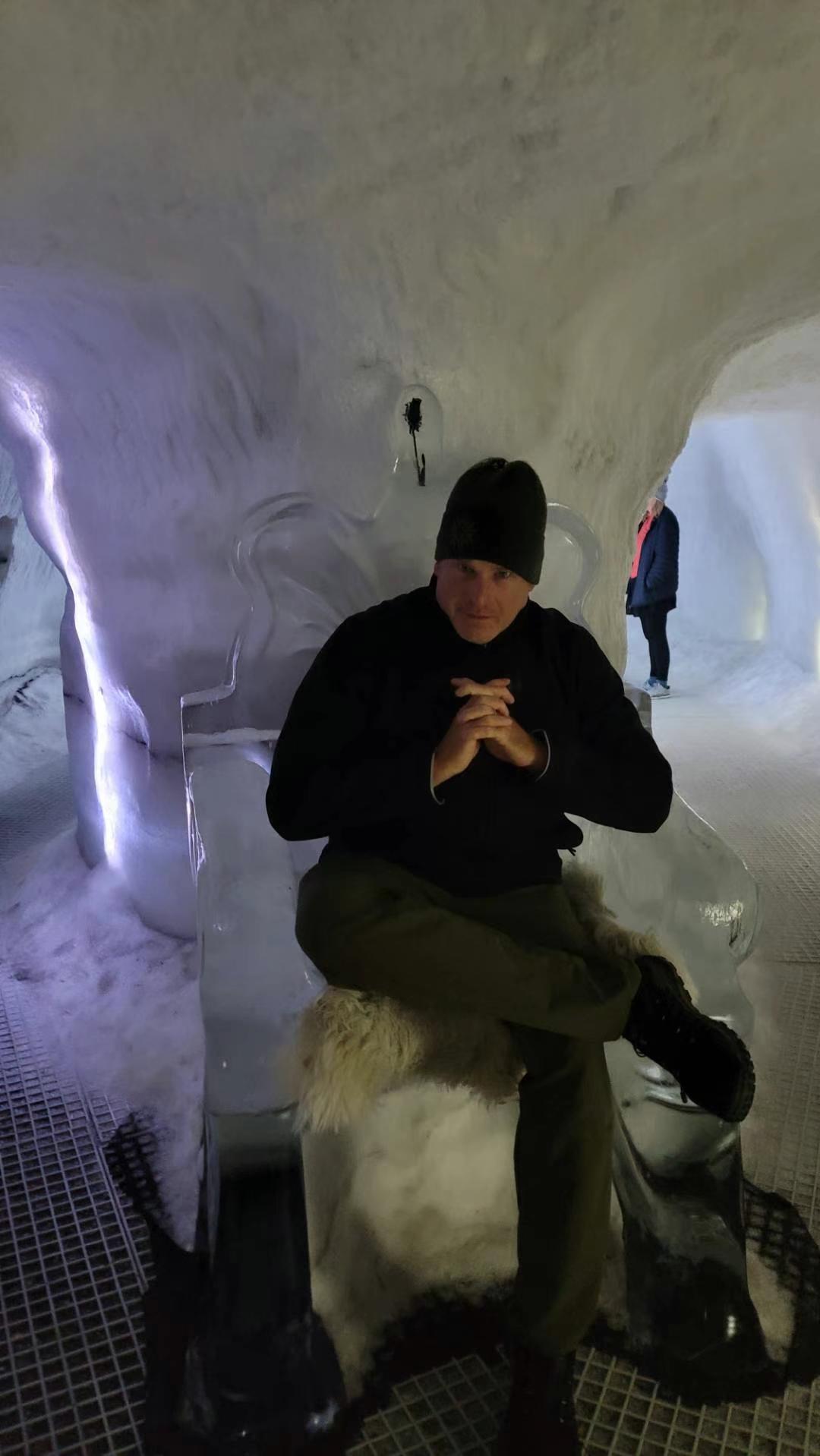
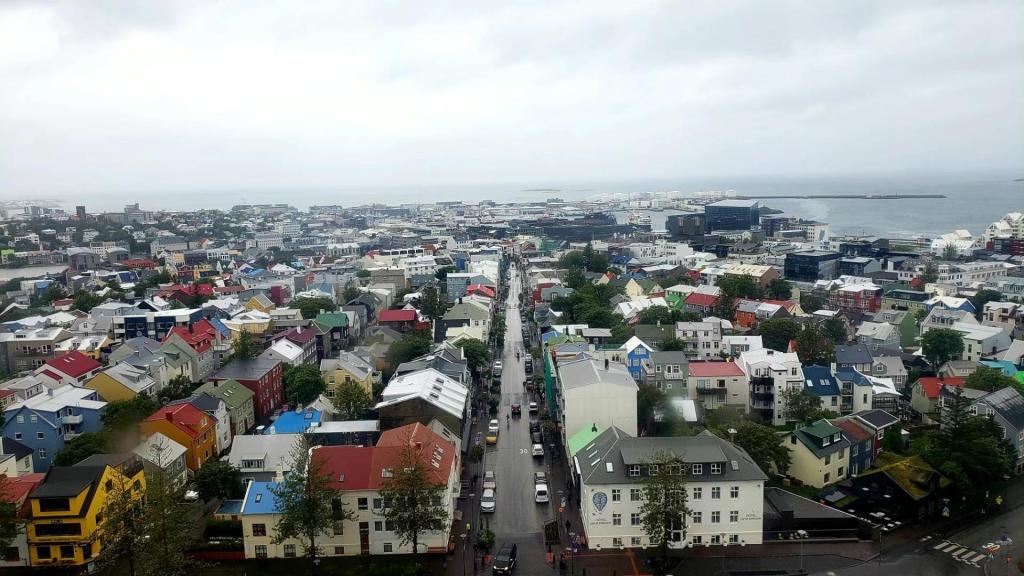
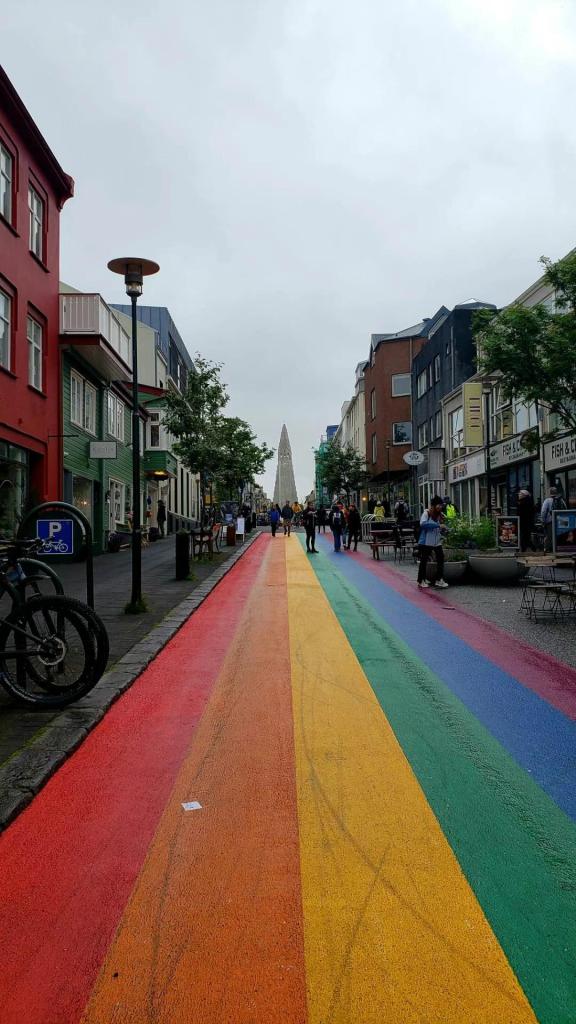
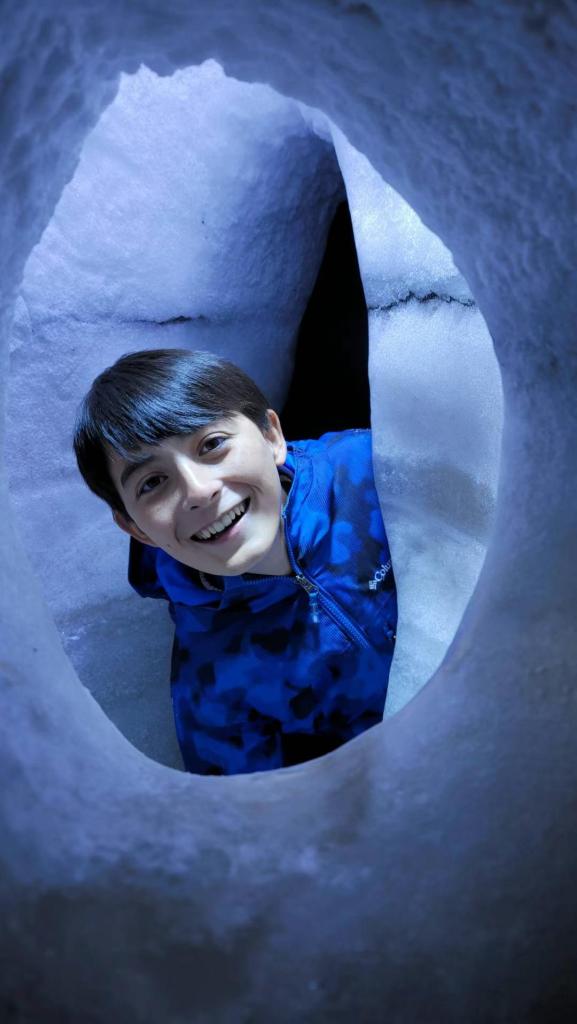
After lunch, we strolled down Rainbow Street (Skólavörðustígur), full of colorful shops, murals, and cozy vibes, even in the drizzle. Later, we headed to Perlan Museum, where the indoor ice cave and 360° observation deck gave us both fun and stunning views—indoors, where it was warm!

🏡 Hafnarfjörður Stay – A Cozy Home and Sad News

We stayed in a peaceful, stylish Airbnb in Hafnarfjörður, just outside Reykjavík. The listing mentioned a cat who freely came and went. As cat lovers, my husband and son were especially excited.

But that evening, before we had a chance to meet the cat, our host messaged to say:

“Our cat went outside earlier and was hit by a car. I’m sorry you won’t get to meet her.”

Even though we hadn’t seen her, the loss hit us. It was a reminder of how even short moments while traveling can stir real emotion.

🚗 South Coast Road Trip: Puffins, Cliffs & Waterfalls

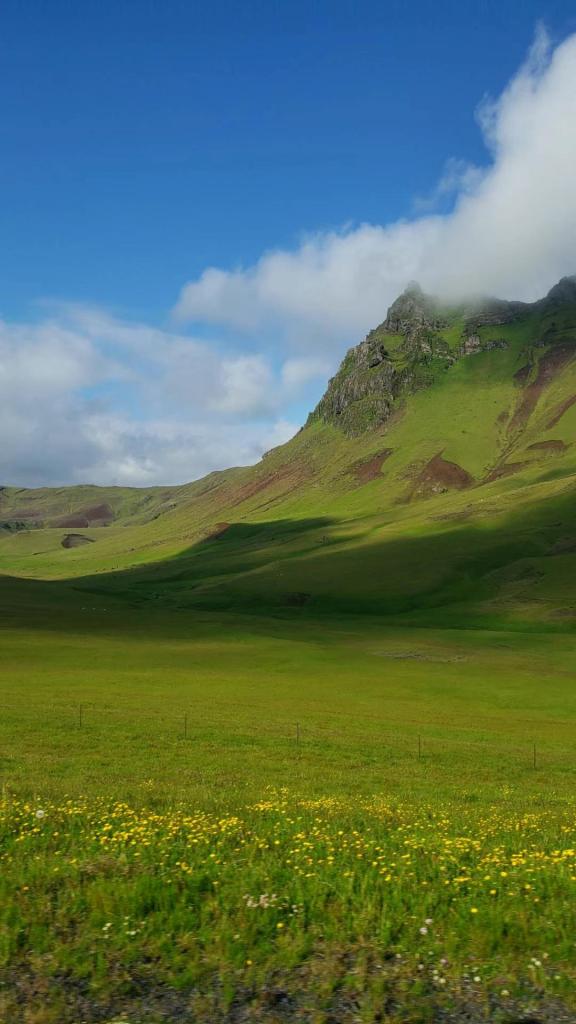
The next day, we took a full-day drive along Iceland’s spectacular South Coast up to Vik, then we turn around and drive back to Hafnarfjörður. We intentionally chose the sequence of scenic stops based on their location on the right side of the road when driving.

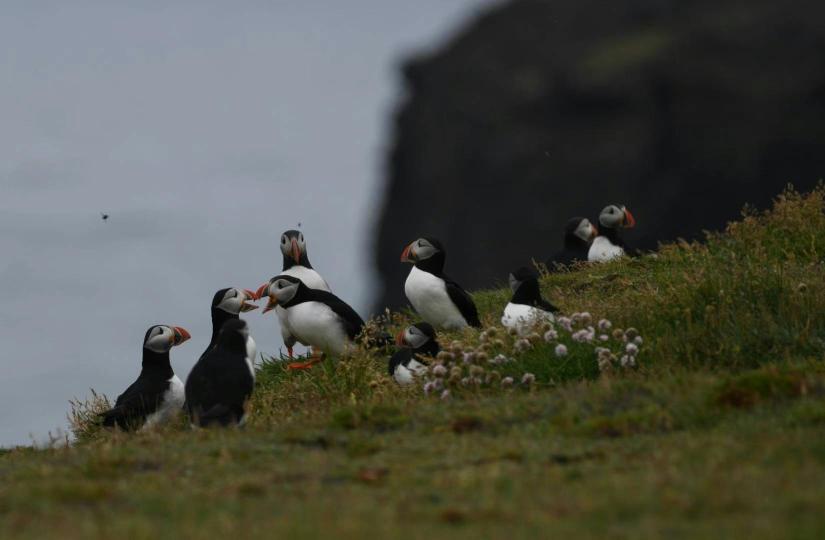
🐧 Dyrhólaey Lighthouse

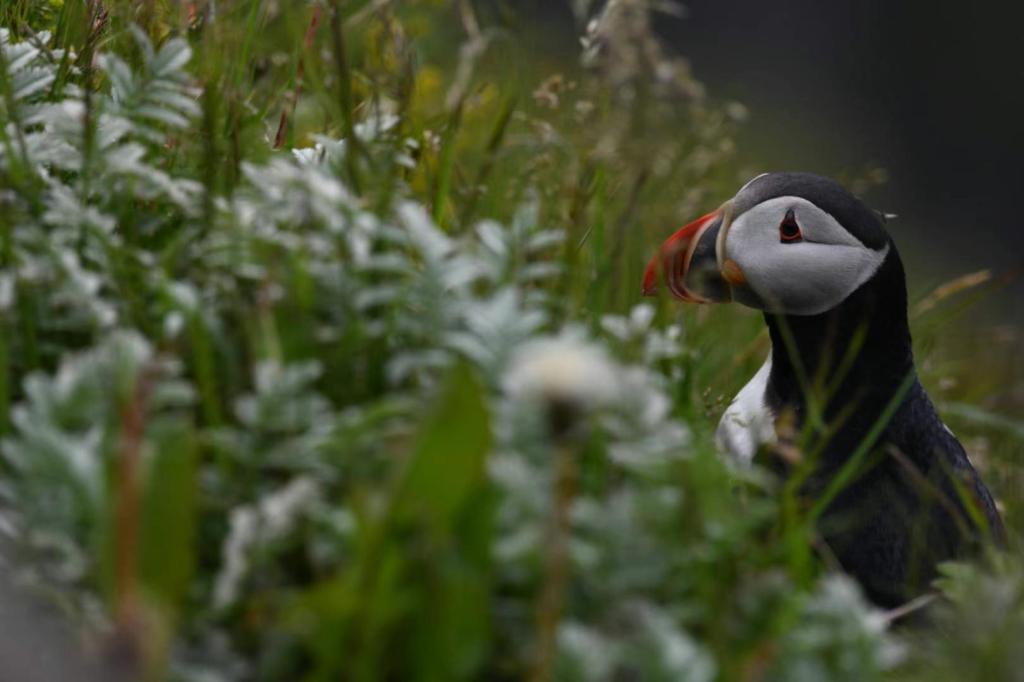
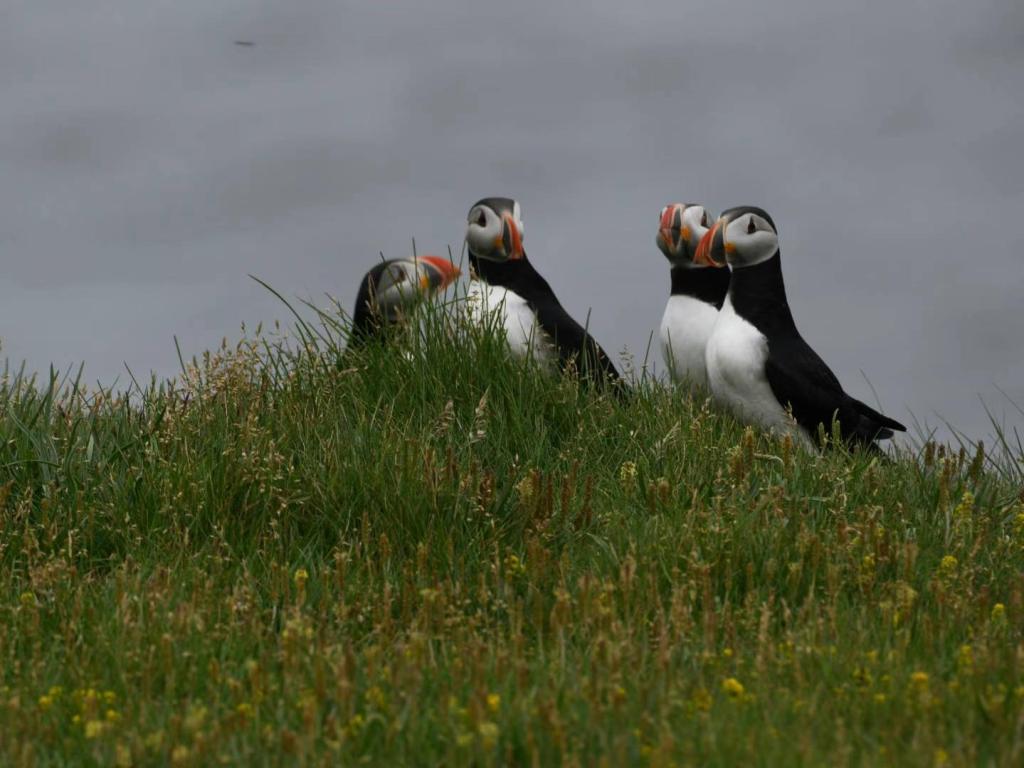
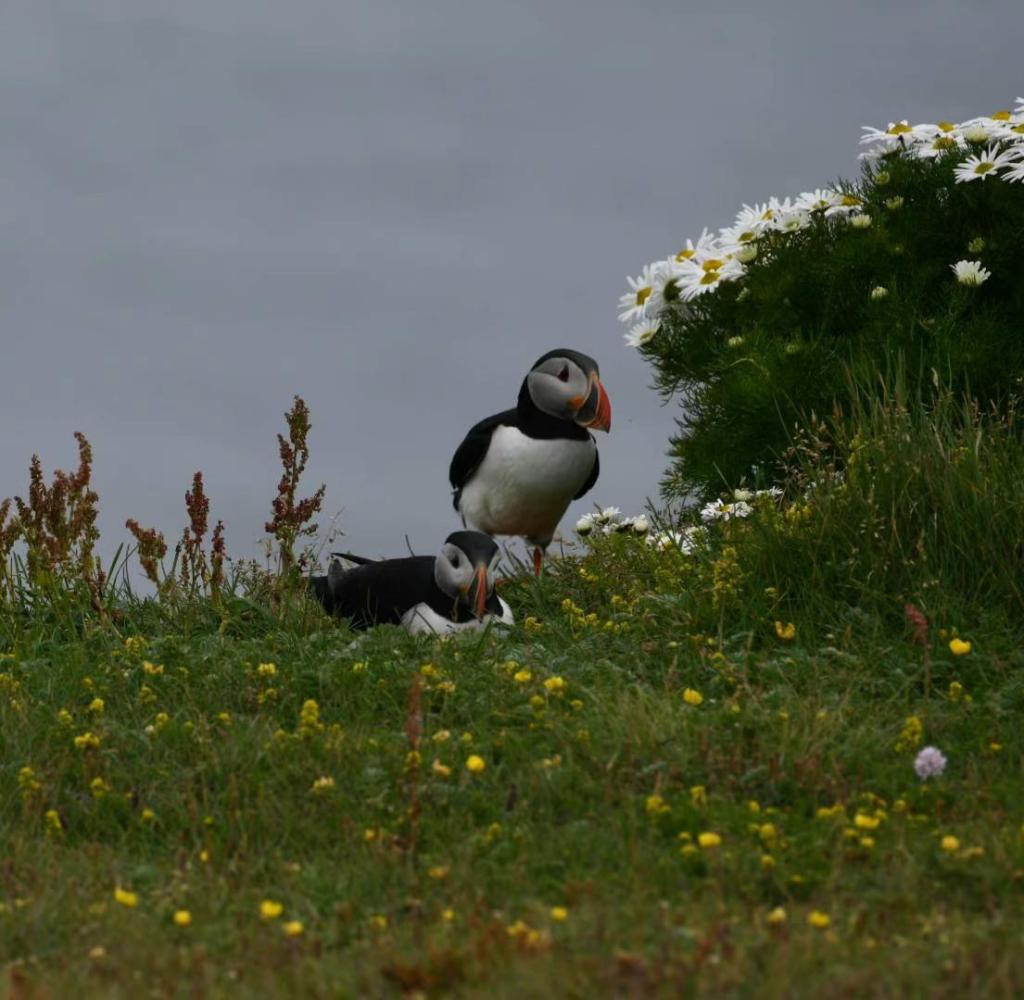
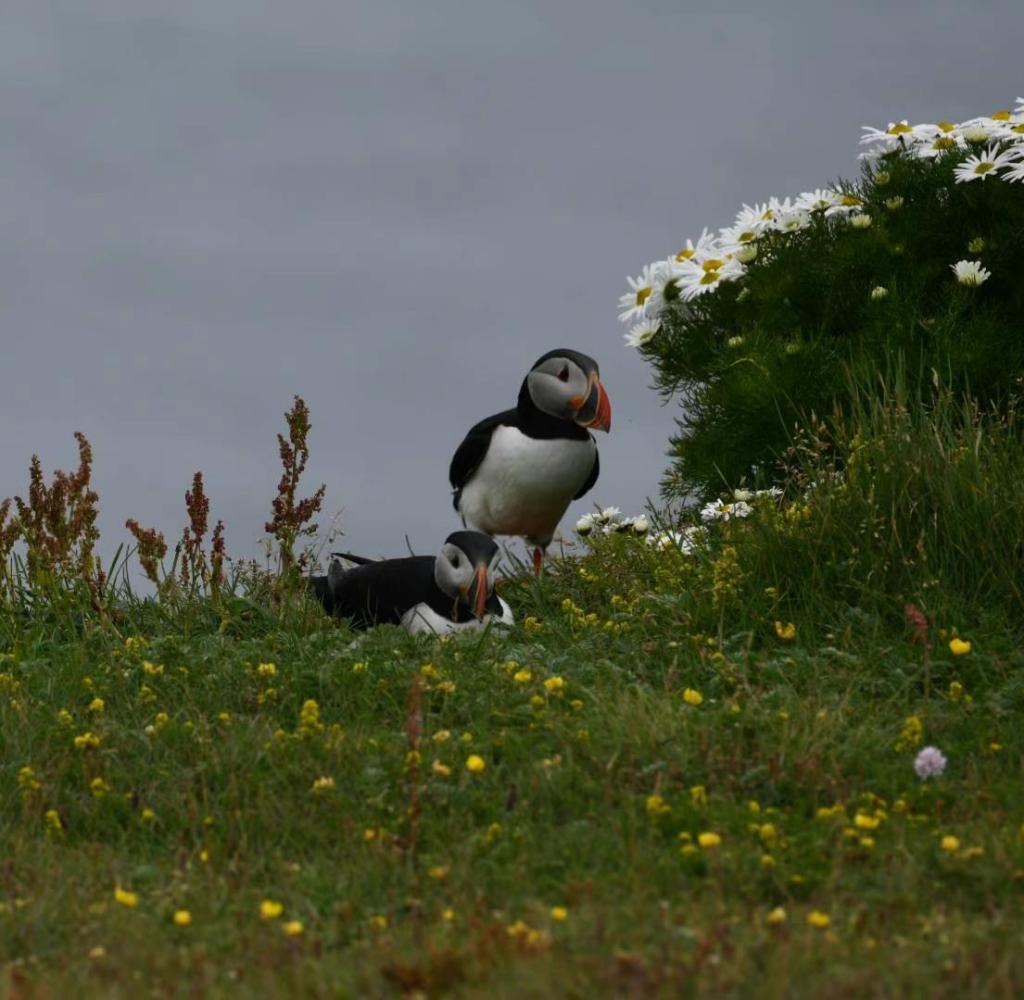
In July, puffins return here. Best for puffin spotting and coastal views.

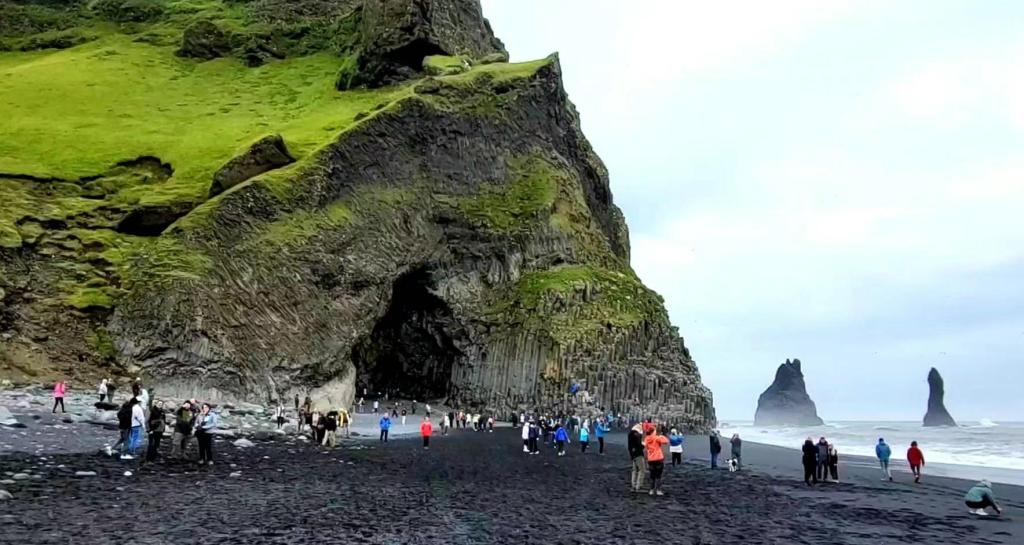
Reynisfjara Black Sand Beach

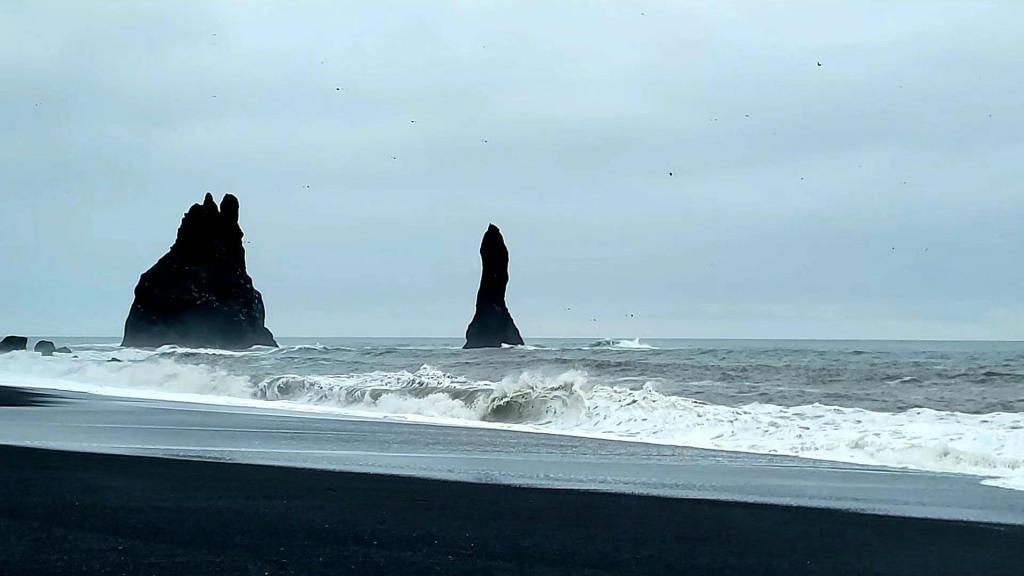
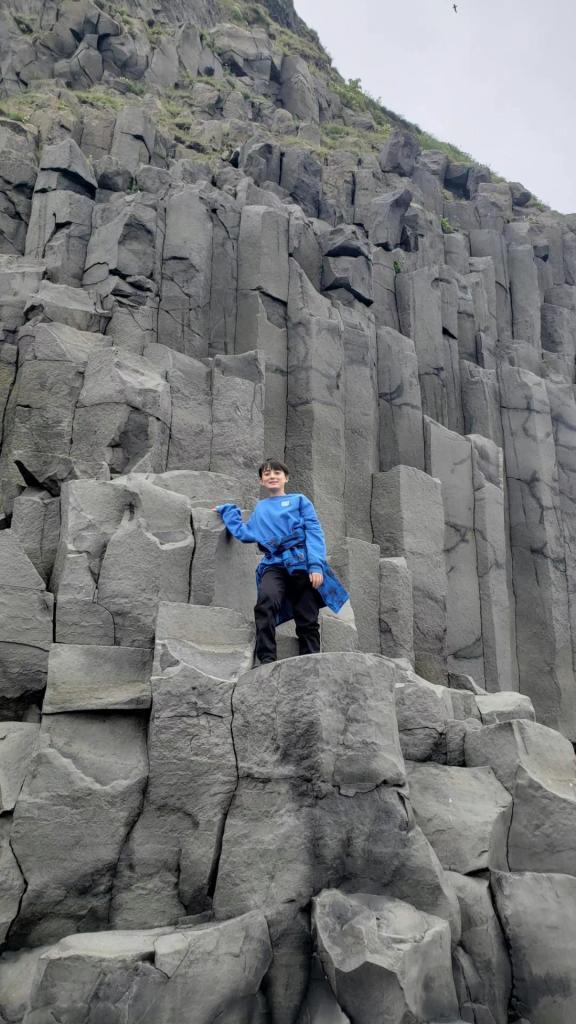
With towering basalt columns and roaring waves. Be cautious—sneaker waves here can be dangerous.

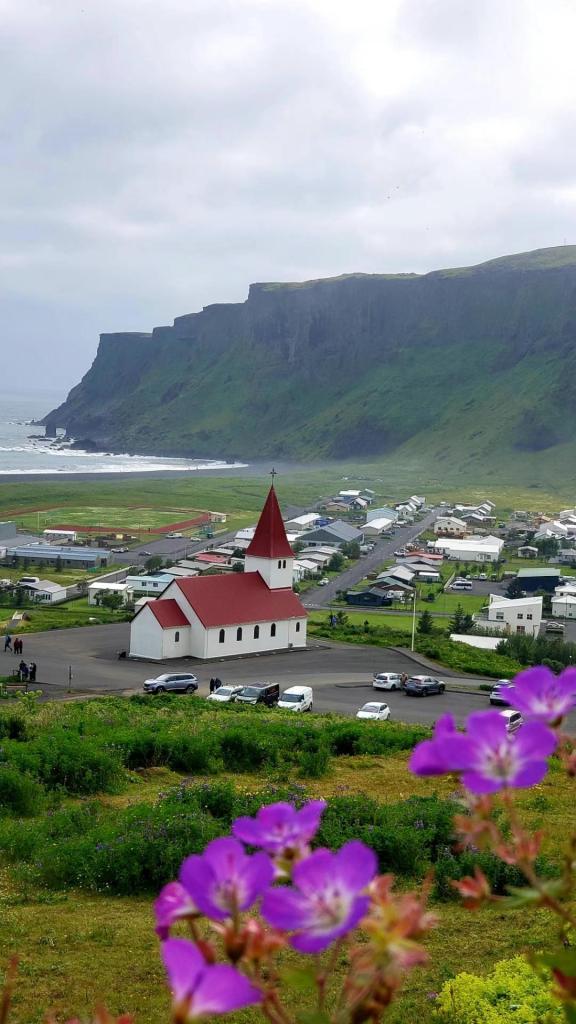
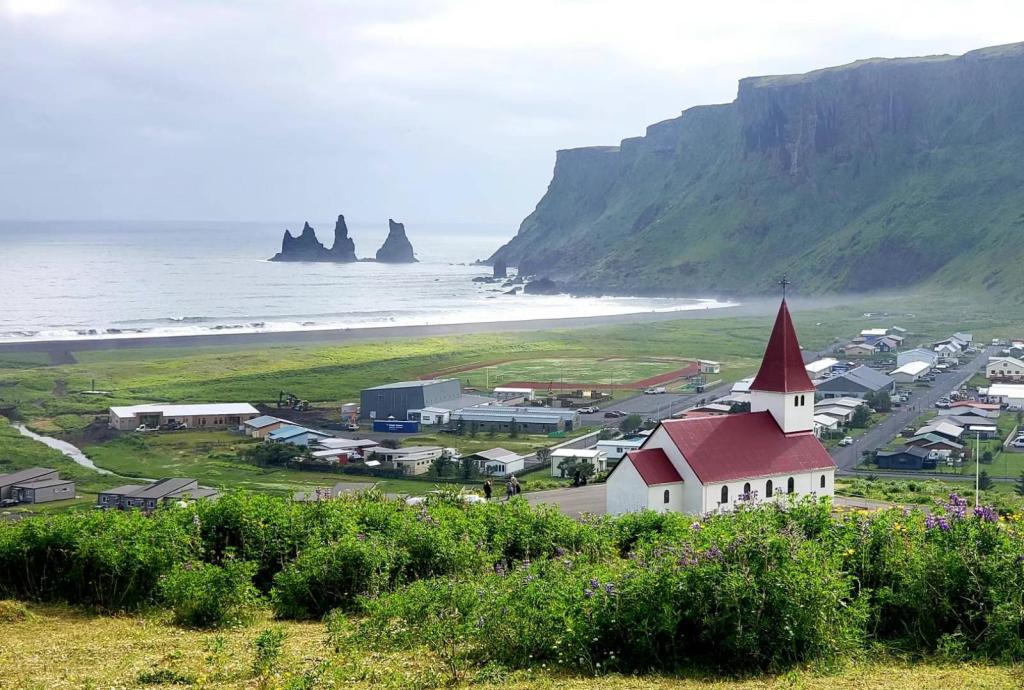
Vík

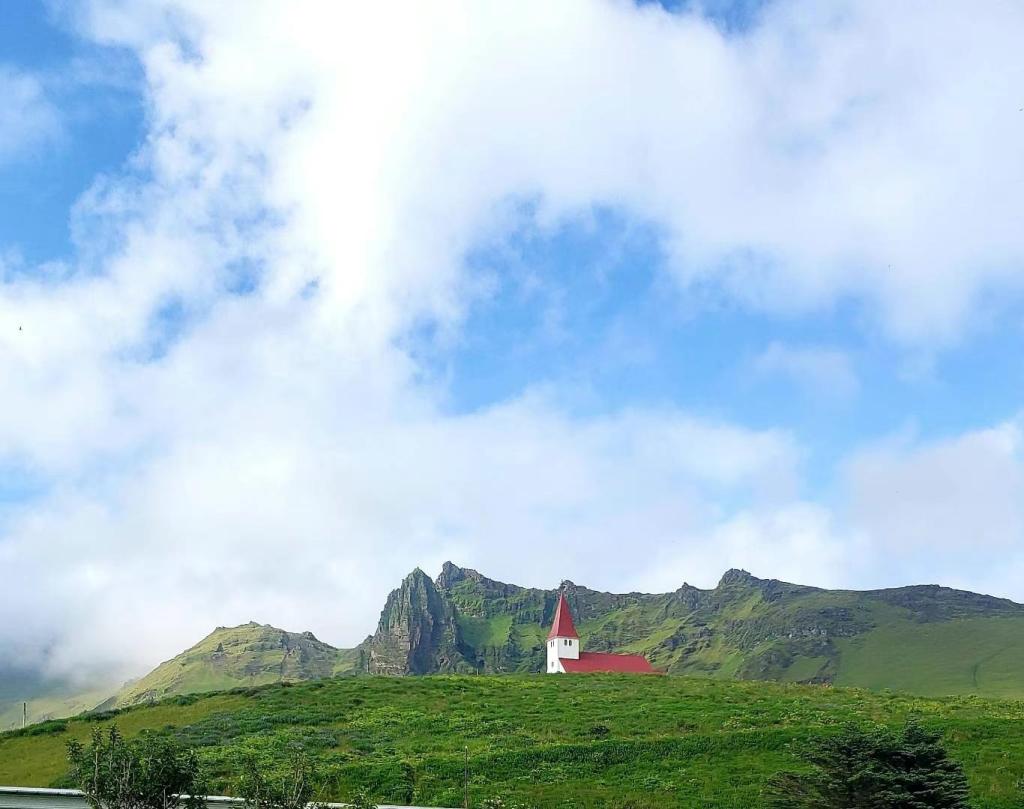
A cozy town to grab a meal or coffee before heading back west.

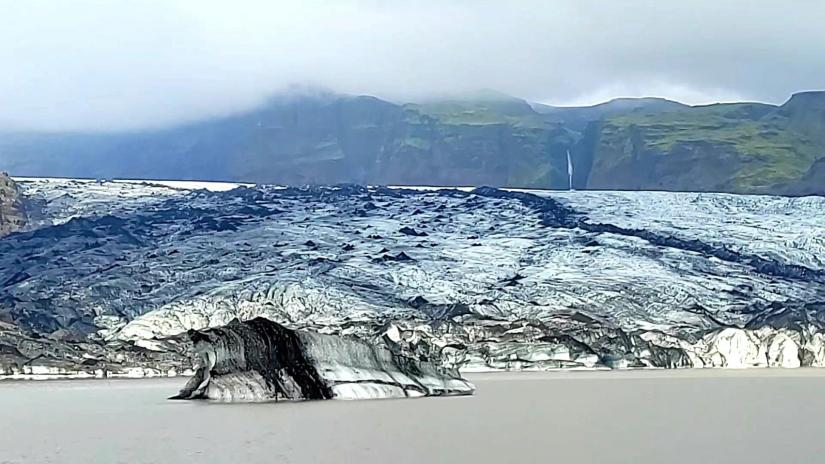
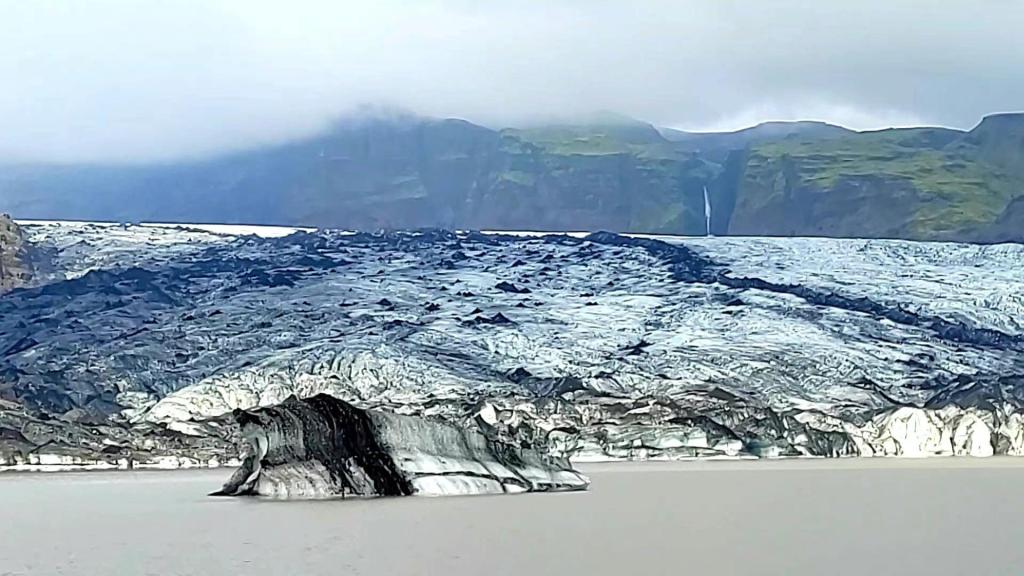
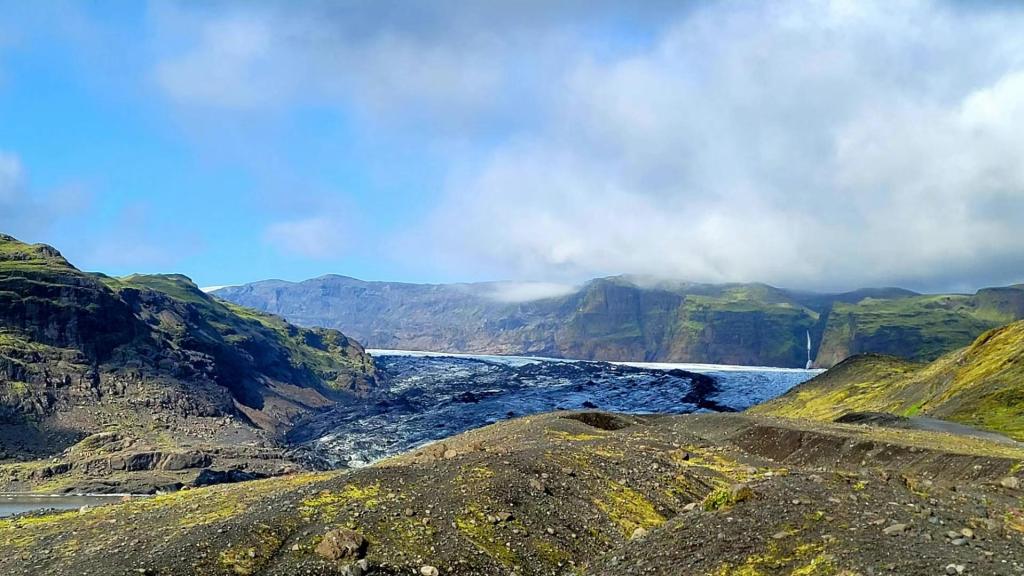
Sólheimajökull

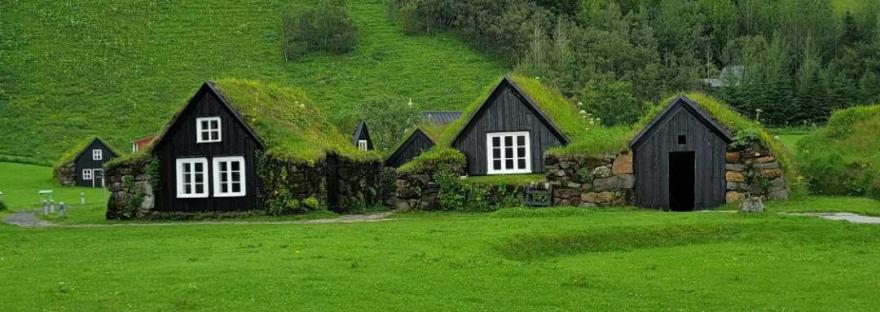
A striking glacier tongue where we took a short walk to admire its rugged ice, volcanic ash layers, and meltwater pools up close.

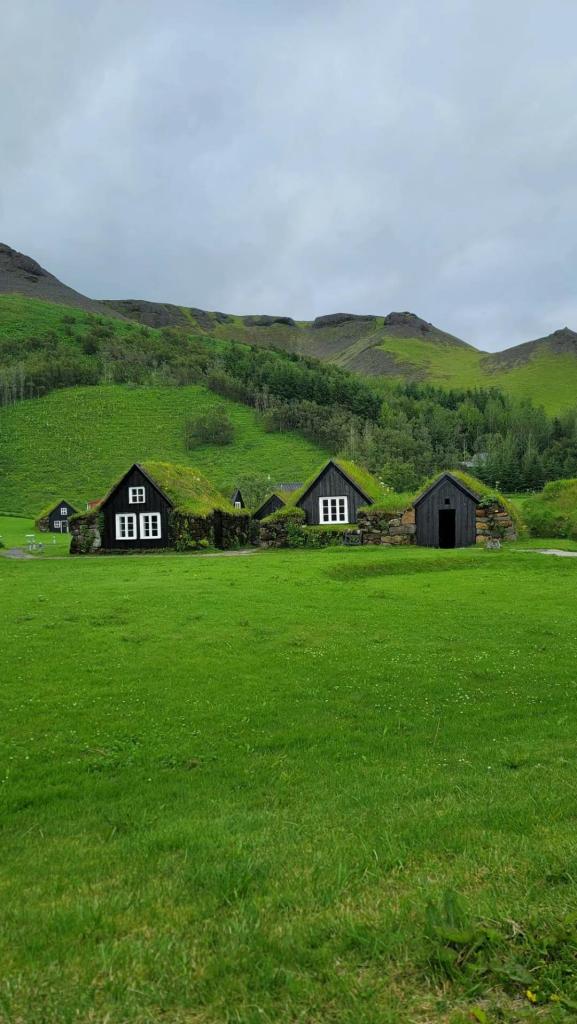
Skógar Museum
Located right off Route 1 before the Skógafoss turnoff. A great cultural stop to stretch and learn about Icelandic life.

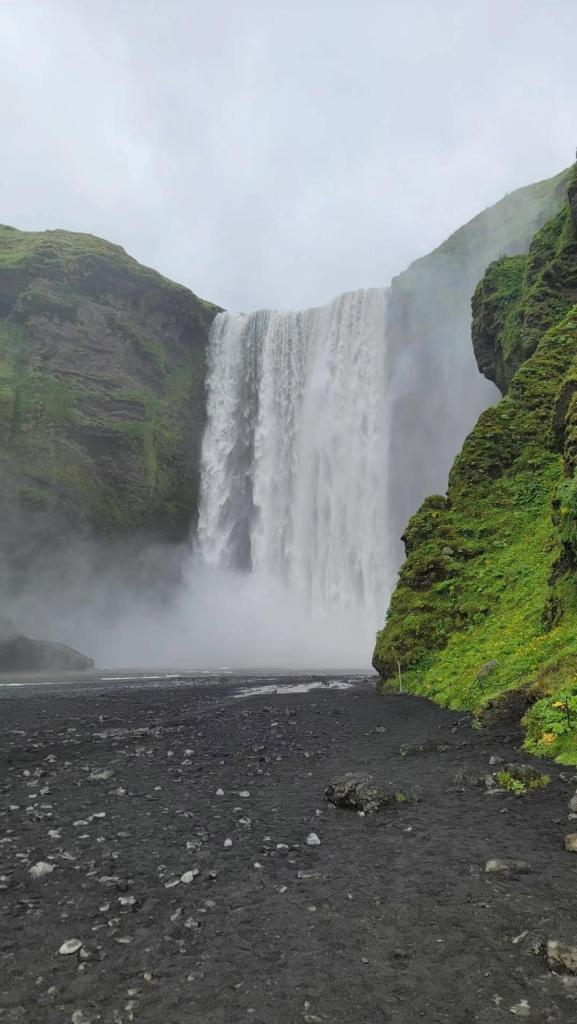
Skógafoss
Just a 2-minute drive from the museum. This majestic waterfall is a perfect photo opportunity and quick hike.

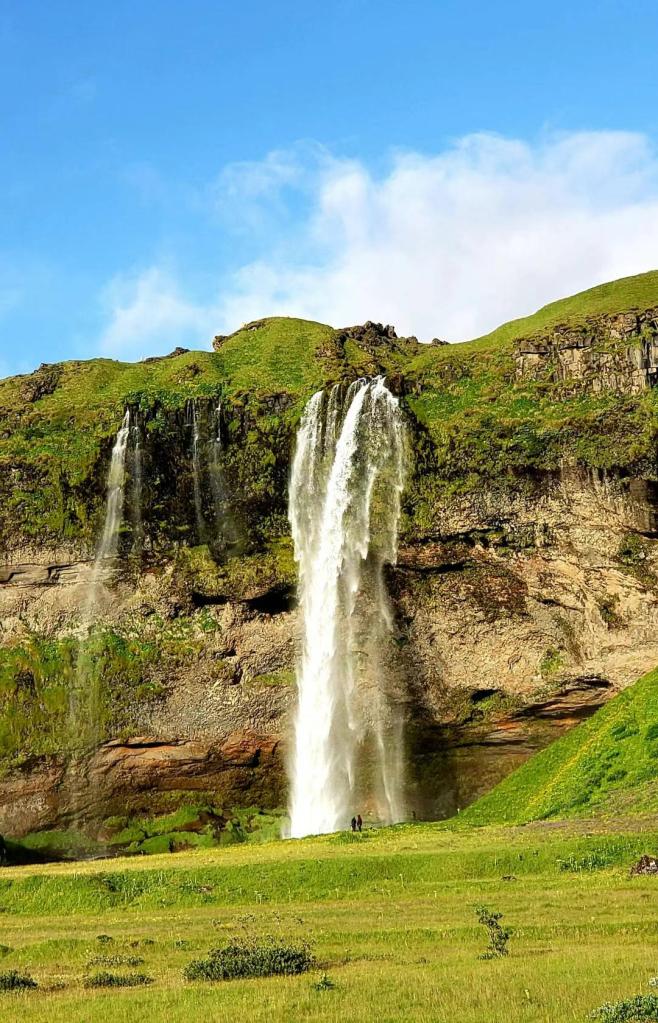
Seljalandsfoss

A waterfall you can walk behind.

By evening, we returned to Hafnarfjörður—tired, happy, and full of memories.

✈️ Departure: July 3

Our return flight from KEF to Minneapolis (MSP) marked the end of this incredible journey. We had made the most of our time—twice—with Iceland’s wild beauty and cultural depth.

🧭 Final Thoughts & Travel Tips

  • Photograph your rental car—even in bad weather.
  • Try traditional foods (the Braveheart menu at Café Loki is unforgettable).
  • July is puffin season—Dyrhólaey is the best spot.
  • Carry extra gas—stations are sparse and not all accept foreign cards.
  • Expect the unexpected—that’s what makes travel unforgettable.

Travel Story

✈️ How to Spend 36 Hours in Iceland: Golden Circle, Blue Lagoon & Local Tips from Our Stopover

When planning our summer trip to Helsinki, we saw a perfect opportunity to add a bonus destination: Iceland. Instead of flying directly, we booked a separate roundtrip from Iceland to Finland with Finnair, giving us 1.5 days to explore Iceland before continuing on.

Our Delta flight DL260 landed at 7:00 AM in Reykjavík. After clearing customs, we picked up our rental car from Thrifty, conveniently located near the airport by shuttle bus, then we drove to hit the highlights of the Golden Circle—Iceland’s most famous driving route. It turned out to be an unforgettable whirlwind of waterfalls, craters, and geothermal wonders.

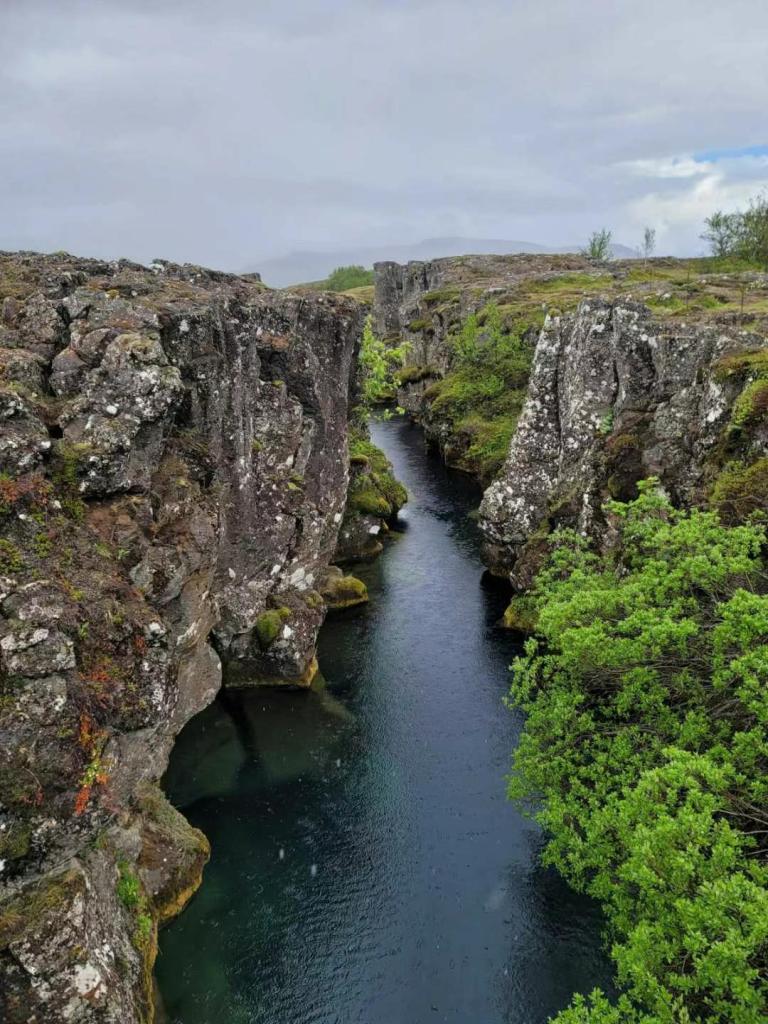
Þingvellir National Park – A UNESCO World Heritage Site where we walked between two tectonic plates. The landscape felt like another planet—mossy, volcanic, and serene.

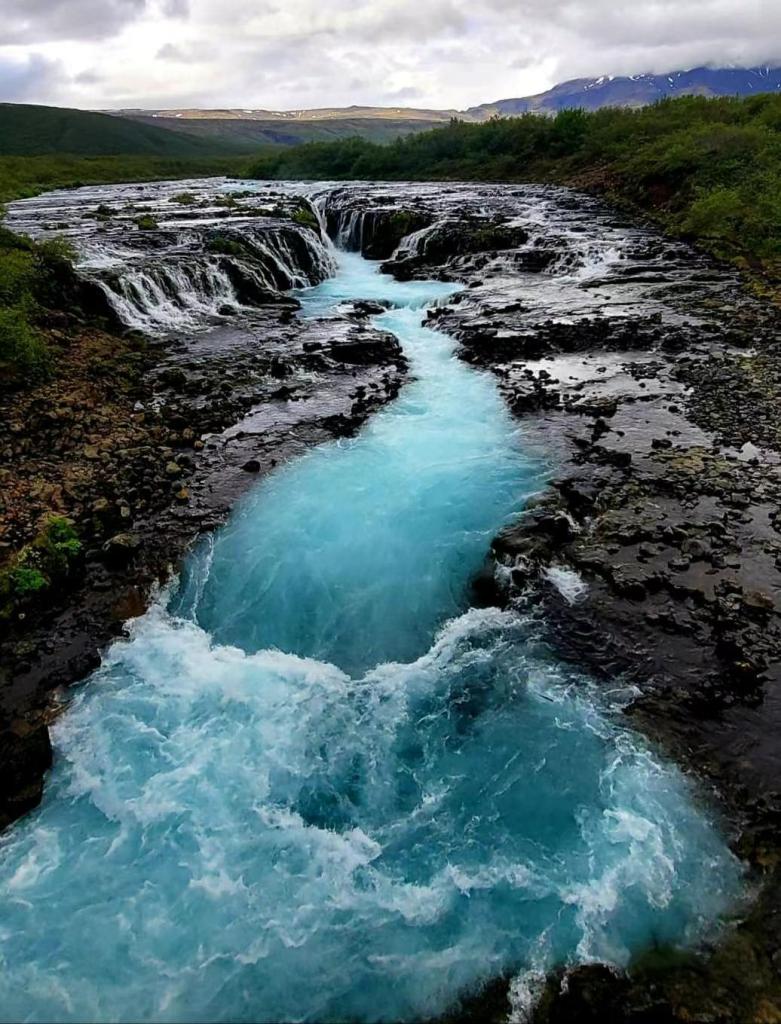
Brúarfoss – A short hike brought us to one of Iceland’s most beautiful hidden waterfalls, with ice-blue water rushing through black volcanic rocks.

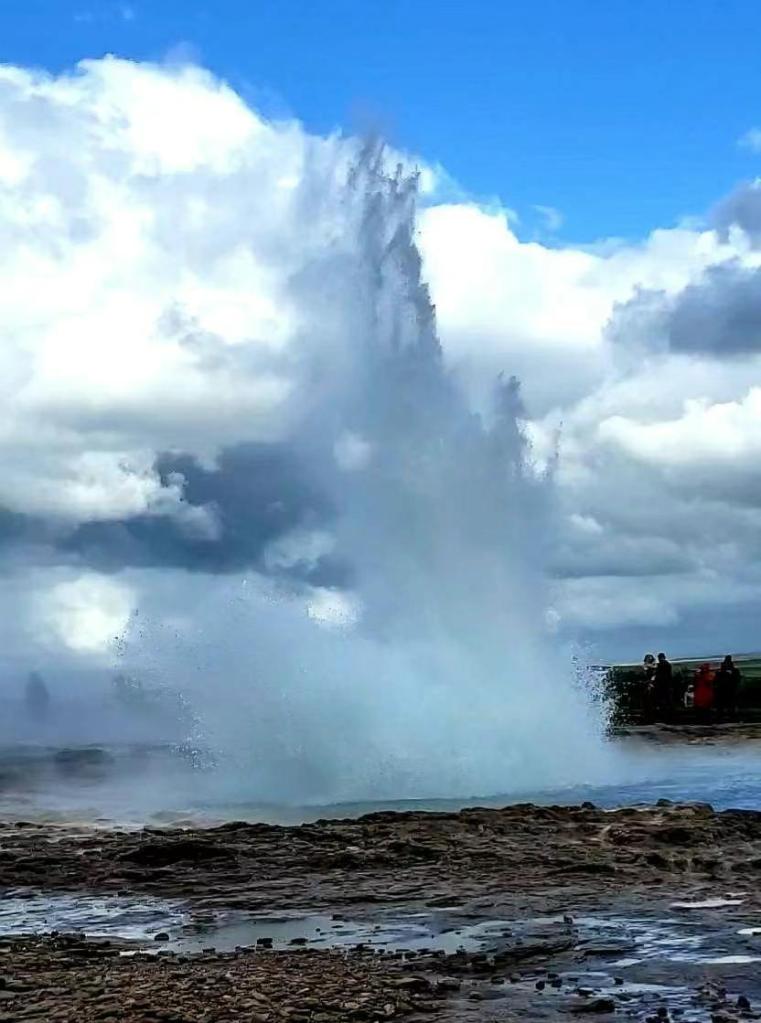
Geysir Hot Spring Area – We watched Strokkur erupt high into the sky every few minutes—mesmerizing and delightfully sulfur-scented!

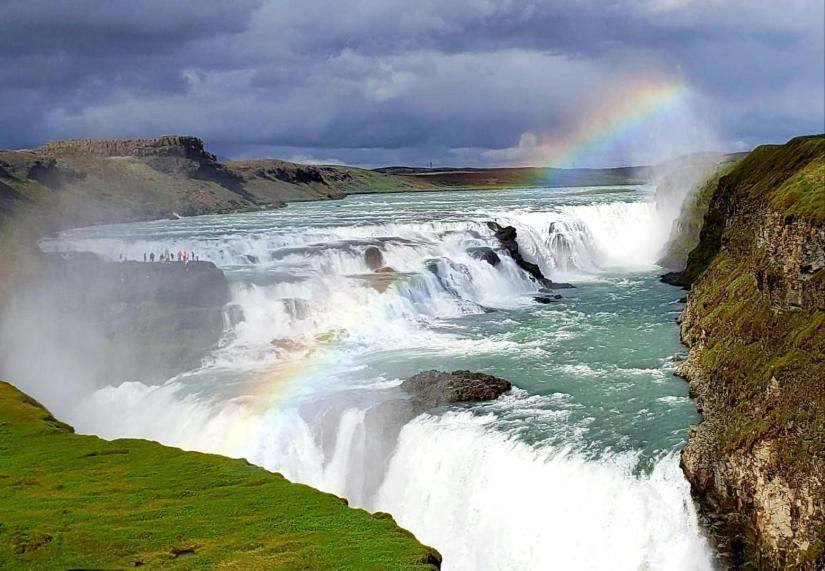
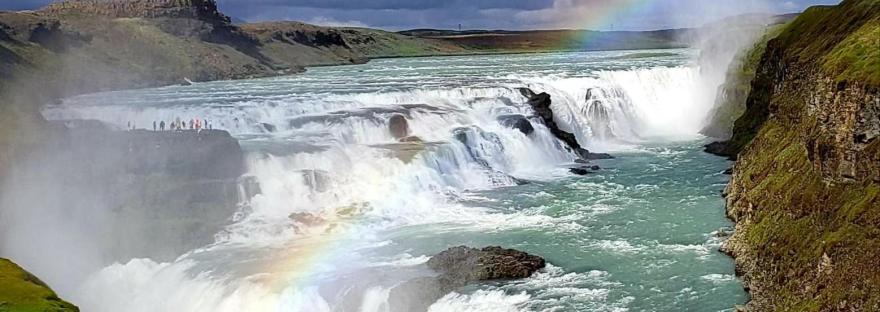
Gullfoss Waterfall – Immense and powerful, this two-tiered waterfall was breathtaking. Mist filled the air, and rainbows danced in the sunlight.

Kerið Crater – Our last stop featured a vivid volcanic crater lake with bright red slopes and turquoise water—perfect for a short walk around the rim.

🧥 Side Story: A Luggage Mishap (and How It Worked Out)

Here’s an unexpected twist: Delta misplaced my husband’s checked luggage, even though it was a direct flight! All his clothes were in the suitcase, and he stepped into chilly, windy Iceland in just shorts and a t-shirt, with temperatures in the 50s–60s°F.

Thankfully, Delta reimburses passengers for necessary clothing purchases. We quickly bought him a rainproof jacket and a warm cap, kept the receipts, and filed for reimbursement once back in the U.S. —which was fully approved. Even better, his suitcase arrived the next day, and since we were staying one night in Reykjavík, we received it in time for our flight to Helsinki.

🏨 Stay in Kópavogur: Budget-Friendly & Comfortable

To save on costs and enjoy more lodging options, we booked an Airbnb in Kópavogur, a suburb just outside Reykjavík. It was peaceful, comfortable, and well located, with grocery stores nearby and free parking. It made a great base for a one-night stay.

💳 Currency + 🚘 Gas Tips

We exchanged some local currency at the airport just in case. But in reality, credit cards were accepted everywhere, even at small parking lots and public restrooms. Iceland is highly card-friendly.

However, one thing to be mindful of is fuel. Gas stations in rural areas are sporadic, and some small self-service pumps may not accept foreign credit cards. It’s wise to top up whenever you see a gas station and consider carrying a local card or prepaid option as backup.

🌊 June 25 – Blue Lagoon + Cliffs Before Departure

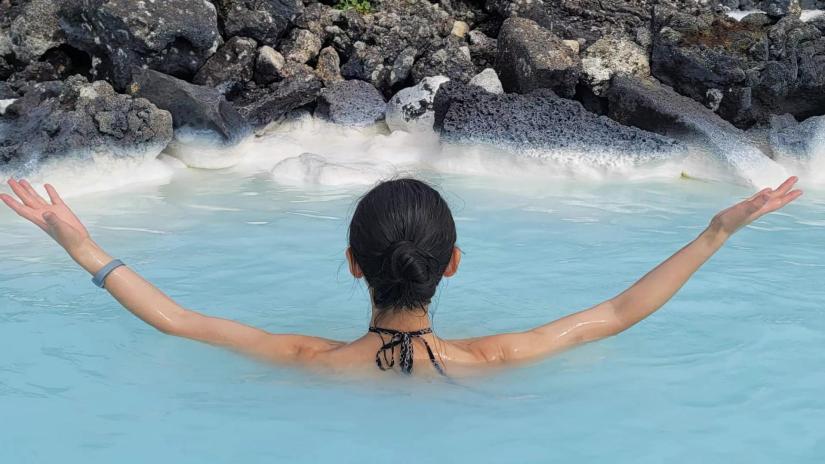
We started our final hours in Iceland with a relaxing soak in the Blue Lagoon. It is a geothermal spa famous for its milky-blue water and rejuvenating minerals. We had reserved our spot online ahead of time, which is highly recommended, especially during peak travel months.

After the spa, we drove to the Krýsuvíkurberg Cliffs—a less touristy but spectacular stop along the Reykjanes Peninsula. Towering black cliffs met the Atlantic Ocean below, and seabirds soared through the wind. It was a refreshing contrast to the previous day’s attractions and a peaceful way to end our visit.

🦅 A Seagull Showdown on the Cliffs

While visiting a scenic cliff area, we had an unexpected wildlife encounter. My husband spotted a nesting seagull perched near the edge and tried to take a photo. The mother bird had other plans.

Suddenly, she launched into the air, shrieking, and dive-bombed his head! Beak-first! Thankfully, she missed, but we quickly backed away and let her protect her nest in peace. It was a hilarious and humbling reminder: Iceland’s nature is wild—and fiercely protected.

🛫 Onward to Helsinki

By late afternoon, we were back at Keflavík Airport, ready to catch our Finnair flight to Helsinki. Iceland had given us a quick but rich glimpse of its wild beauty—and even a travel lesson or two.

✅ Quick Tips for a Short Iceland Stopover

  • Rent a car for maximum freedom—even for just one day.
  • Prioritize 3–5 key stops instead of trying to do it all.
  • Book Blue Lagoon or other spas in advance.
  • Stay near Reykjavík or in suburbs like Kópavogur for better lodging options.
  • Carry some warm layers in your carry-on, just in case of lost luggage.
  • Don’t get too close to nesting birds. They mean business.
  • Fuel up early and often—gas stations may be few and far between.